
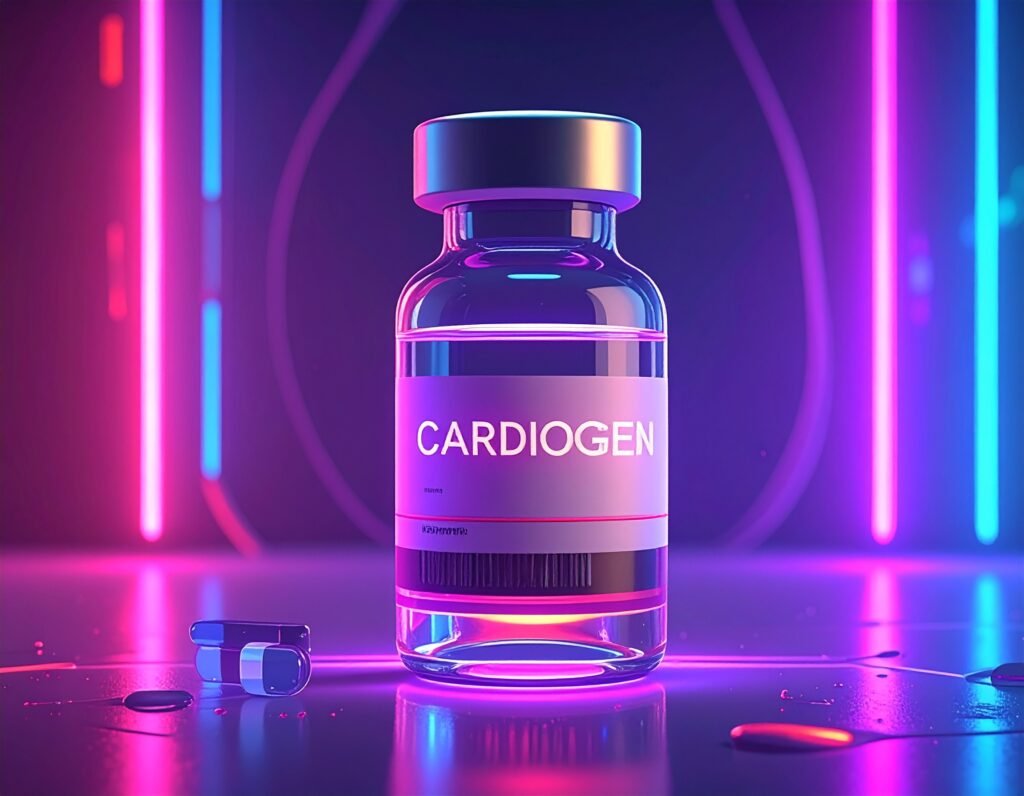
Cardiogen (20 mg Vial) Dosage Protocol
Quickstart Highlights
Cardiogen is a synthetic cardiovascular bioregulator tetrapeptide (AEDR: Ala‑Glu‑Asp‑Arg) studied for its cellular repair and cardioprotective properties[1][2]. Preclinical research demonstrates Cardiogen enters cells and modulates fundamental survival pathways, supporting cytoskeletal integrity and reducing apoptosis in stressed cardiac tissue while paradoxically encouraging apoptosis in abnormal cells[3][4]. This educational protocol presents a once‑daily subcutaneous approach for research applications.

Dosing & Reconstitution Guide
Educational guide for reconstitution and daily dosing
Standard / Gradual Approach (3 mL = ~6.67 mg/mL)
| Week | Daily Dose (mcg) | Units (per injection) (mL) |
|---|---|---|
| Weeks 1–2 | 200 mcg | 3 units (0.03 mL) |
| Weeks 3–4 | 300 mcg | 4.5 units (0.045 mL) |
| Week 5 | 400 mcg | 6 units (0.06 mL) |
| Weeks 6–12 | 500 mcg | 7.5 units (0.075 mL) |
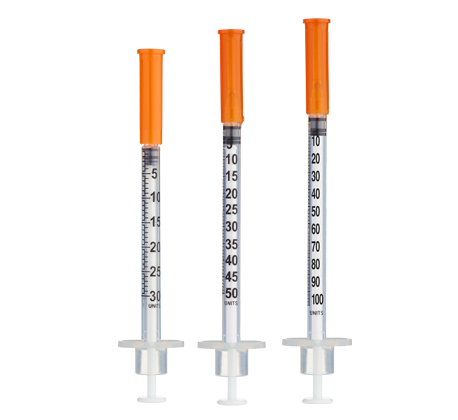
Frequency: Inject once daily subcutaneously. This schedule uses the largest practical dilution (3.0 mL) to maximize measurement precision. For ≤10‑unit (≤0.10 mL) administrations, consider 30‑ or 50‑unit insulin syringes for improved readability.
Reconstitution Steps
Important: This guide is for educational purposes only and is not medical advice. For research use only. Not for human consumption.
Supplies Needed
Plan based on an 8–16 week daily protocol with gradual titration.
- 8 weeks ≈ 2 vials
- 12 weeks ≈ 2 vials
- 16 weeks ≈ 3 vials
- Per week: 7 syringes (1/day)
- 8 weeks: 56 syringes
- 12 weeks: 84 syringes
- 16 weeks: 112 syringes
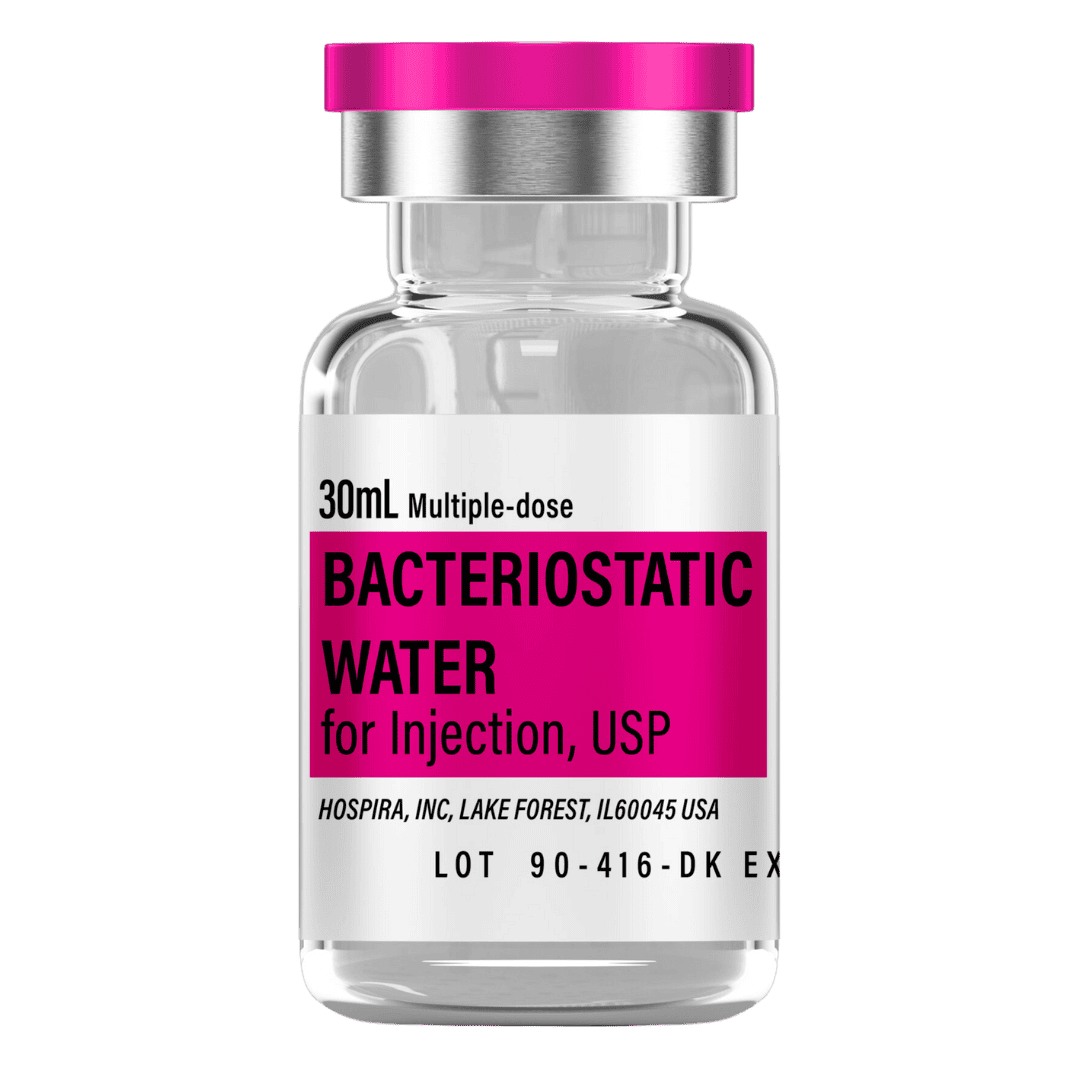
- 8 weeks (2 vials): 6 mL → 1 × 10 mL bottle
- 12 weeks (2 vials): 6 mL → 1 × 10 mL bottle
- 16 weeks (3 vials): 9 mL → 1 × 10 mL bottle
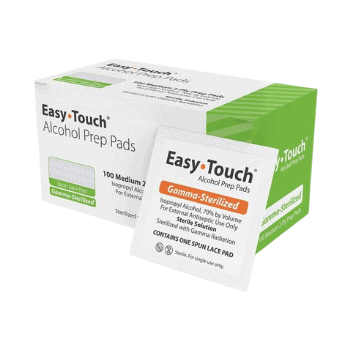
- Per week: 14 swabs (2/day)
- 8 weeks: 112 swabs → recommend 2 × 100‑count boxes
- 12 weeks: 168 swabs → recommend 2 × 100‑count boxes
- 16 weeks: 224 swabs → recommend 3 × 100‑count boxes
Protocol Overview
Concise summary of the once‑daily regimen.