

Cartalax (20 mg Vial) Dosage Protocol
Quickstart Highlights
Cartalax is a synthetic tripeptide bioregulator (Ala‑Glu‑Asp; sequence “AED”) developed by Prof. Vladimir Khavinson at the St. Petersburg Institute of Bioregulation and Gerontology[1]. Preclinical studies indicate it may modulate fibroblast proliferation markers (Ki‑67), reduce pro‑apoptotic signaling (p53, caspase‑3), and support extracellular matrix homeostasis[2][3]. Note: Published human posology for subcutaneous Cartalax is limited; this framework extrapolates from available preclinical and observational data for educational purposes only.

Dosing & Reconstitution Guide
Educational framework for reconstitution and daily dosing
Standard / Gradual Approach (3 mL = ~6.67 mg/mL)
Route & Frequency: Subcutaneous, once daily. Evidence note: Specific human RCT posology for SC Cartalax is limited; this schedule references preclinical fibroblast/chondrocyte studies and general SC technique guidance[2][8].
| Week/Phase | Daily Dose (mcg / mg) | Units (per injection) (mL) |
|---|---|---|
| Weeks 1–2 | 2,000 mcg (2.0 mg) | 30 units (0.30 mL) |
| Weeks 3–4 | 3,000 mcg (3.0 mg) | 45 units (0.45 mL) |
| Weeks 5–8 | 4,000 mcg (4.0 mg) | 60 units (0.60 mL) |
| Weeks 9–12 | 5,000 mcg (5.0 mg) | 75 units (0.75 mL) |
This schedule uses the largest practical dilution (3.0 mL) to keep per‑injection volumes within typical SC tolerability parameters (≤~1.0 mL per site)[9][10].
Reconstitution Steps
Important: This guide is for educational purposes only and is not medical advice. For research use only. Not for human consumption.
Supplies Needed
Plan based on an 8–16 week daily protocol with gradual titration (average ~3.5 mg/day).
- 8 weeks ≈ 10 vials
- 12 weeks ≈ 15 vials
- 16 weeks ≈ 20 vials
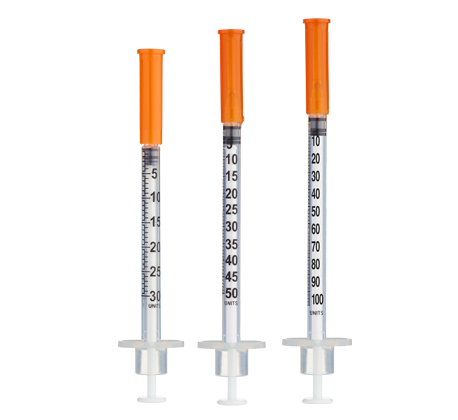
- Per week: 7 syringes (1/day)
- 8 weeks: 56 syringes
- 12 weeks: 84 syringes
- 16 weeks: 112 syringes
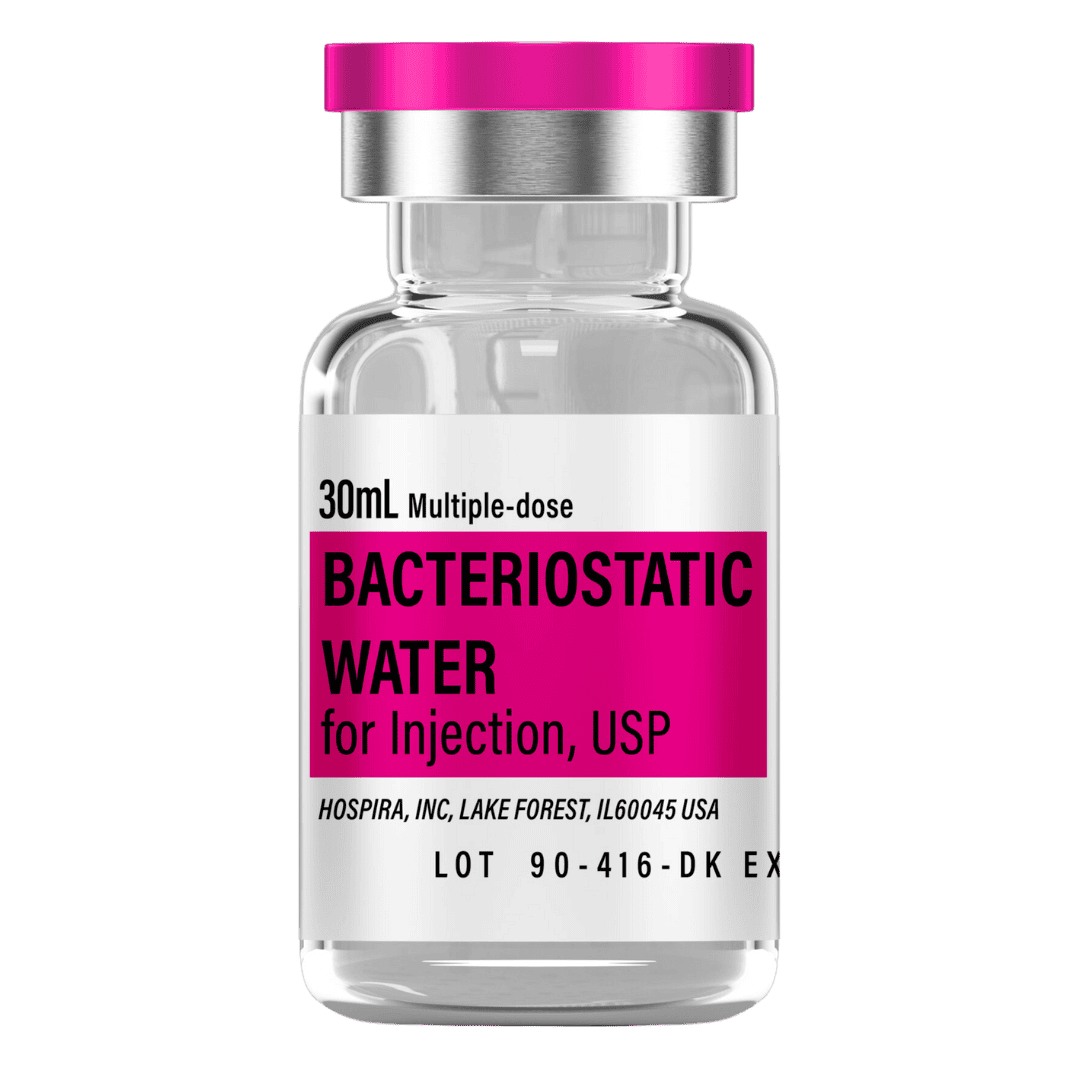
- 8 weeks (10 vials): 30 mL → 3 × 10 mL bottles
- 12 weeks (15 vials): 45 mL → 5 × 10 mL bottles
- 16 weeks (20 vials): 60 mL → 6 × 10 mL bottles
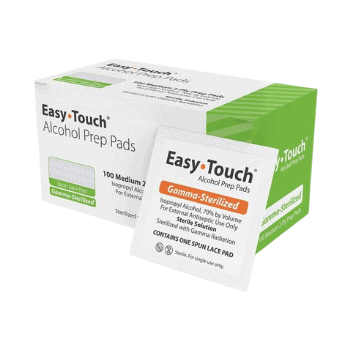
- Per week: 14 swabs (2/day)
- 8 weeks: 112 swabs → recommend 2 × 100‑count boxes
- 12 weeks: 168 swabs → recommend 2 × 100‑count boxes
- 16 weeks: 224 swabs → recommend 3 × 100‑count boxes
Protocol Overview
Concise summary of the once‑daily regimen.