
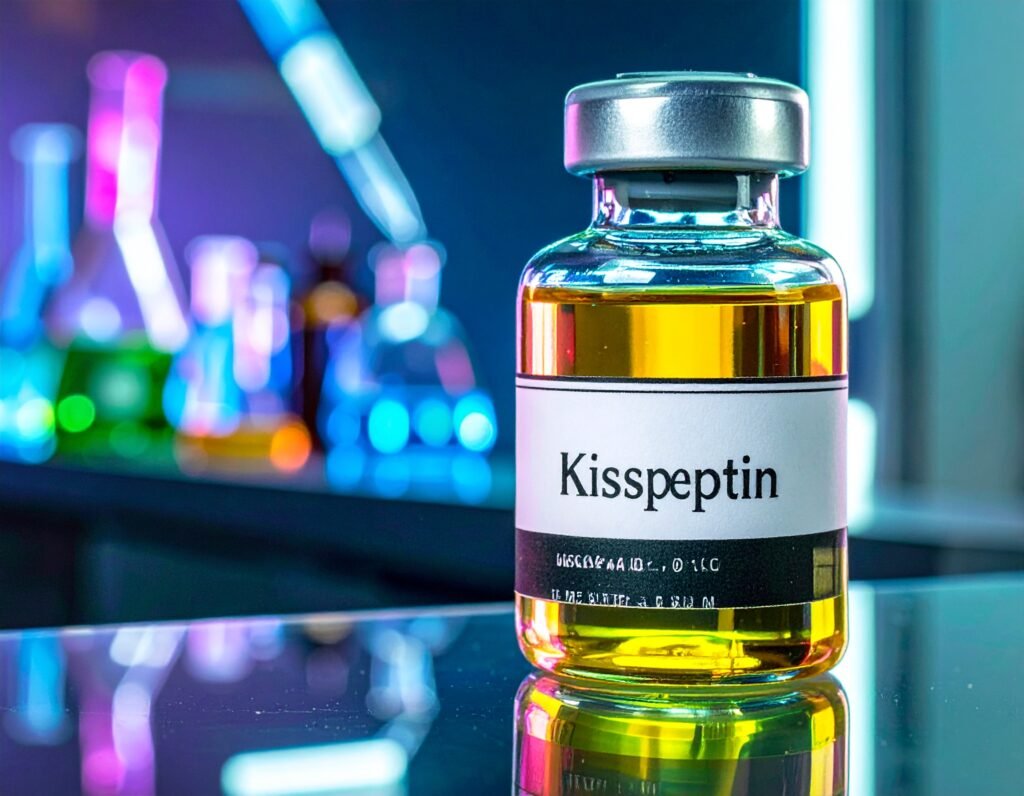
Kisspeptin (10 mg Vial) Dosage Protocol
Quickstart Highlights
Kisspeptin (also known as metastin) is a naturally occurring neuroendocrine peptide that plays a pivotal role in human reproduction by stimulating gonadotropin-releasing hormone (GnRH) secretion[1]. This small peptide binds to the GPR54 receptor in the hypothalamus, triggering pulsatile GnRH release and downstream secretion of luteinizing hormone (LH) and follicle-stimulating hormone (FSH)[2]. Originally identified as a metastasis-suppressor gene product, kisspeptin has become a major focus in reproductive endocrinology[3]. This educational protocol presents a once-daily subcutaneous approach for research use.
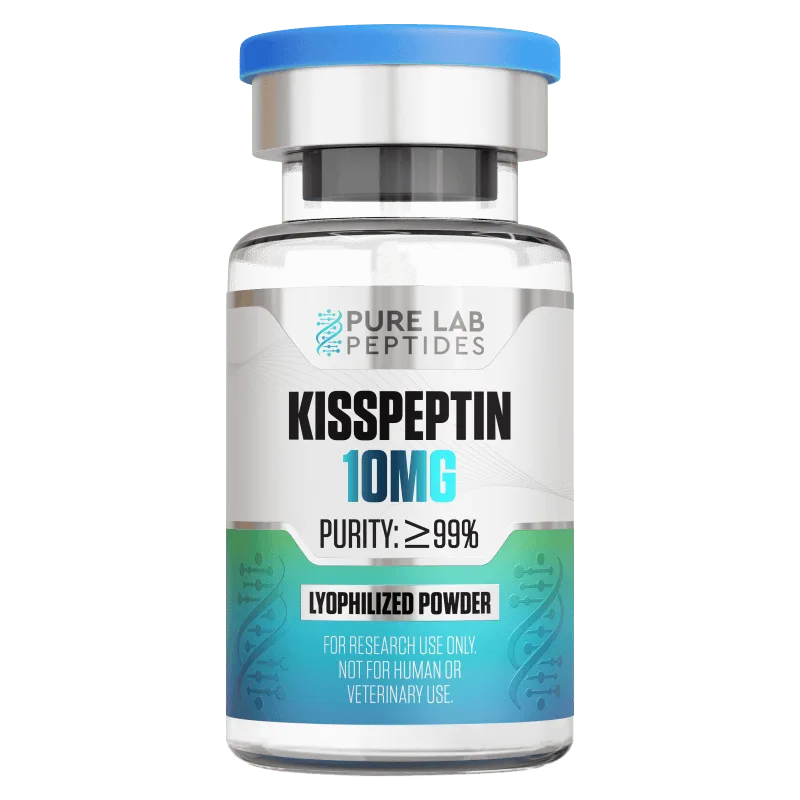
Dosing & Reconstitution Guide
Educational guide for reconstitution and daily dosing
Standard / Gradual Approach (3 mL = ~3.33 mg/mL)
| Week | Daily Dose (mcg) | Units (per injection) (mL) |
|---|---|---|
| Weeks 1–2 | 100 mcg | 3 units (0.03 mL) |
| Weeks 3–8 (or 3–12) | 200 mcg | 6 units (0.06 mL) |
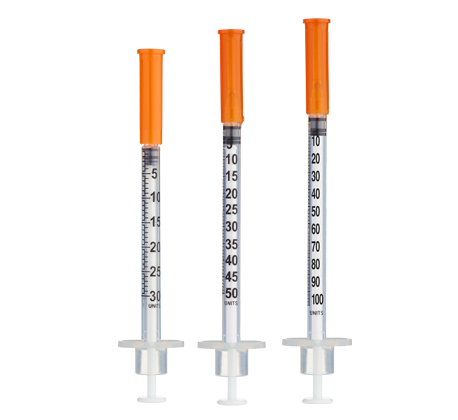
Frequency: Inject once daily subcutaneously. This schedule follows a conservative titration to assess individual response[4][5]. For ≤10-unit (≤0.10 mL) administrations, consider 30- or 50-unit insulin syringes for improved readability.
Reconstitution Steps
Important: This guide is for educational purposes only and is not medical advice. For research use only. Not for human consumption.
Supplies Needed
Plan based on an 8–16 week daily protocol with gradual titration.
- 8 weeks ≈ 1 vial
- 12 weeks ≈ 2 vials
- 16 weeks ≈ 3 vials
- Per week: 7 syringes (1/day)
- 8 weeks: 56 syringes
- 12 weeks: 84 syringes
- 16 weeks: 112 syringes
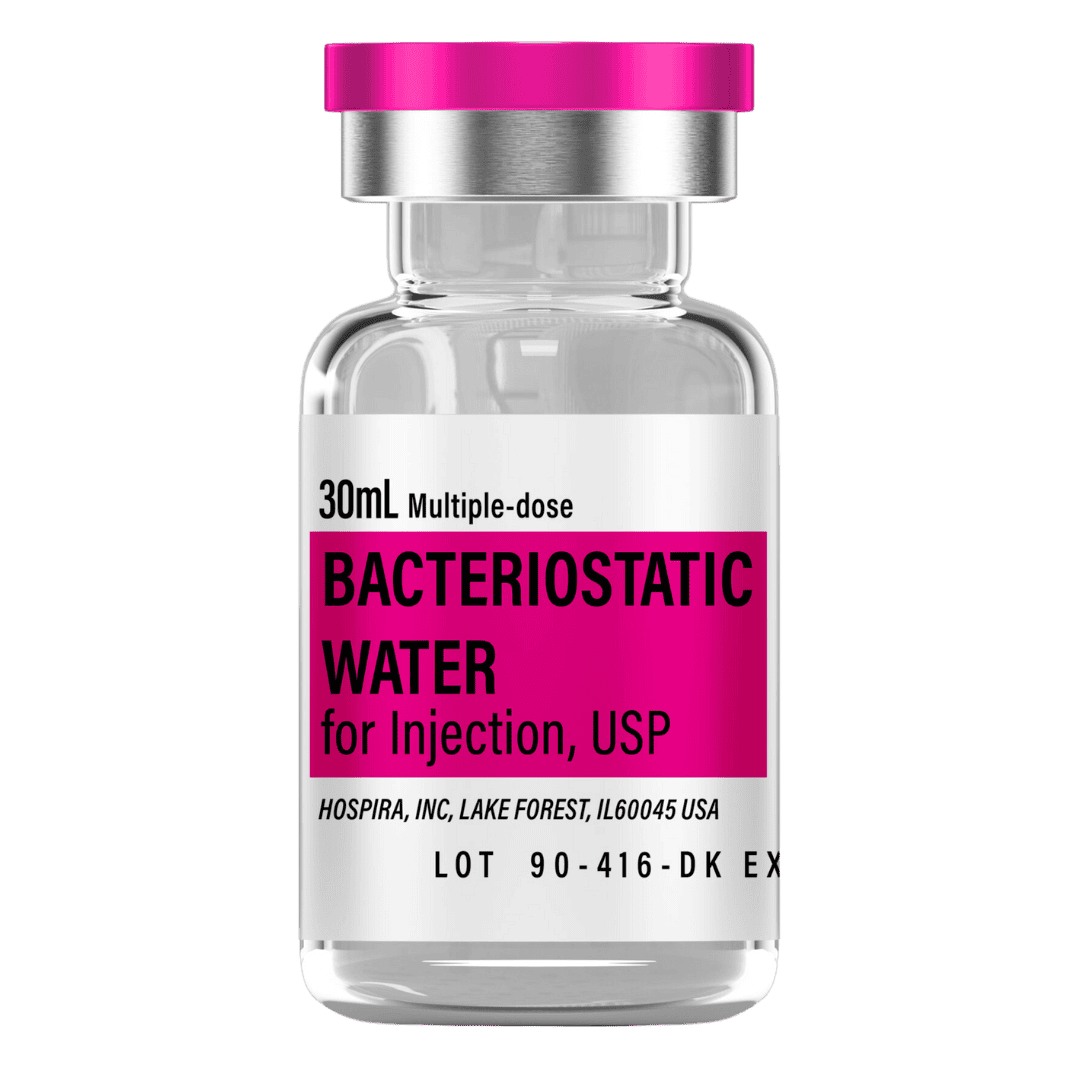
- 8 weeks (1 vial): 3 mL → 1 × 10 mL bottle
- 12 weeks (2 vials): 6 mL → 1 × 10 mL bottle
- 16 weeks (3 vials): 9 mL → 1 × 10 mL bottle
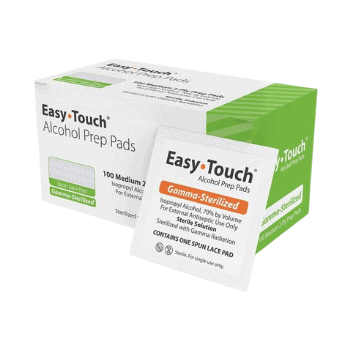
- Per week: 14 swabs (2/day)
- 8 weeks: 112 swabs → recommend 2 × 100‑count boxes
- 12 weeks: 168 swabs → recommend 2 × 100‑count boxes
- 16 weeks: 224 swabs → recommend 3 × 100‑count boxes
Protocol Overview
Concise summary of the once‑daily regimen.