
Quickstart Highlights
Semaglutide is a glucagon-like peptide-1 (GLP-1) receptor agonist with a prolonged half-life of approximately 7 days[1], approved for chronic weight management and glycemic control. The extended half-life enables once-weekly subcutaneous dosing, which is the standard clinical approach[1]. This educational protocol presents a gradual weekly titration from 0.25 mg up to a maintenance dose of 2.4 mg over 16+ weeks, using a practical dilution for precise insulin-syringe measurements.

Dosing & Reconstitution Guide
Educational guide for reconstitution and weekly titration dosing
Standard / Gradual Titration (3 mL = ~6.67 mg/mL)
| Week | Weekly Dose | Units (per injection) (mL) |
|---|---|---|
| Weeks 1–4 | 250 mcg (0.25 mg) | 4 units (0.04 mL) |
| Weeks 5–8 | 500 mcg (0.5 mg) | 7.5 units (0.075 mL) |
| Weeks 9–12 | 1000 mcg (1.0 mg) | 15 units (0.15 mL) |
| Weeks 13–16 | 1700 mcg (1.7 mg) | 25.5 units (0.255 mL) |
| Weeks 17+ (Maintenance) | 2400 mcg (2.4 mg) | 36 units (0.36 mL) |
Frequency: Inject once weekly subcutaneously. This gradual titration protocol improves tolerability and is consistent with FDA-approved dosing strategies for weight management[1][3]. Administer on the same day each week at any time, with or without meals.
Reconstitution Steps
Important: This guide is for educational purposes only and is not medical advice. For research use only. Not for human consumption.
Supplies Needed
Plan based on an 8–20 week weekly titration protocol.
- 8 weeks ≈ 1 vial (3 mg total used)
- 12 weeks ≈ 1 vial (7 mg total used)
- 16 weeks ≈ 1 vial (13.8 mg total used)
- 20 weeks ≈ 2 vials (23.4 mg total used with maintenance dosing)
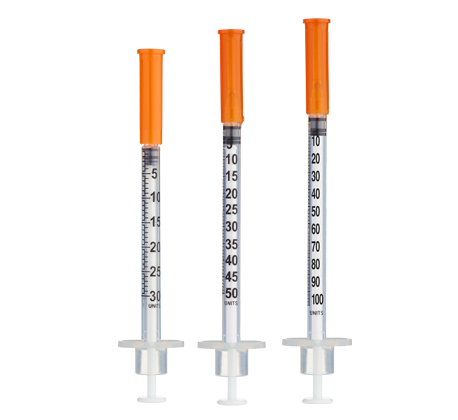
- Per week: 1 syringe
- 8 weeks: 8 syringes
- 12 weeks: 12 syringes
- 16 weeks: 16 syringes
- 20 weeks: 20 syringes
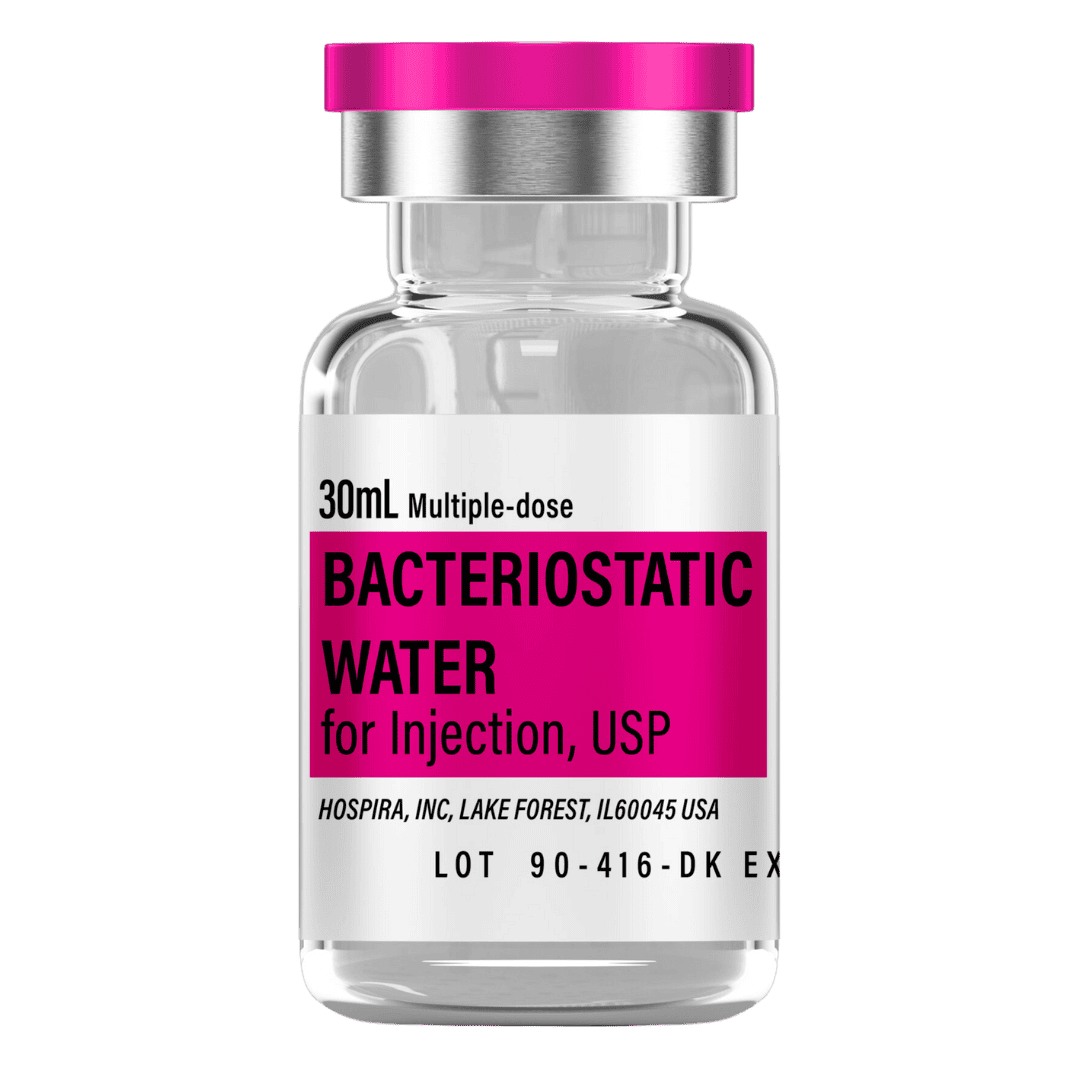
- 8 weeks (1 vial): 3 mL → 1 × 10 mL bottle
- 12 weeks (1 vial): 3 mL → 1 × 10 mL bottle
- 16 weeks (1 vial): 3 mL → 1 × 10 mL bottle
- 20 weeks (2 vials): 6 mL → 1 × 10 mL bottle
Note: Use bacteriostatic water within 28 days after opening[9].
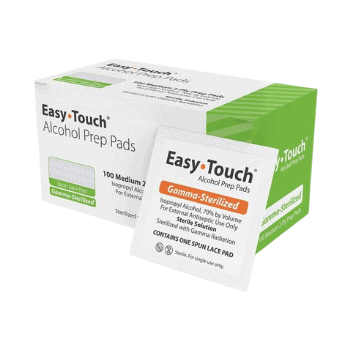
- Per week: 2 swabs
- 8 weeks: 16 swabs
- 12 weeks: 24 swabs
- 16 weeks: 32 swabs
- 20 weeks: 40 swabs → recommend 1 × 100-count box
Protocol Overview
Concise summary of the once-weekly regimen.