
TB-500 (10 mg Vial) Dosage Protocol
Quickstart Highlights
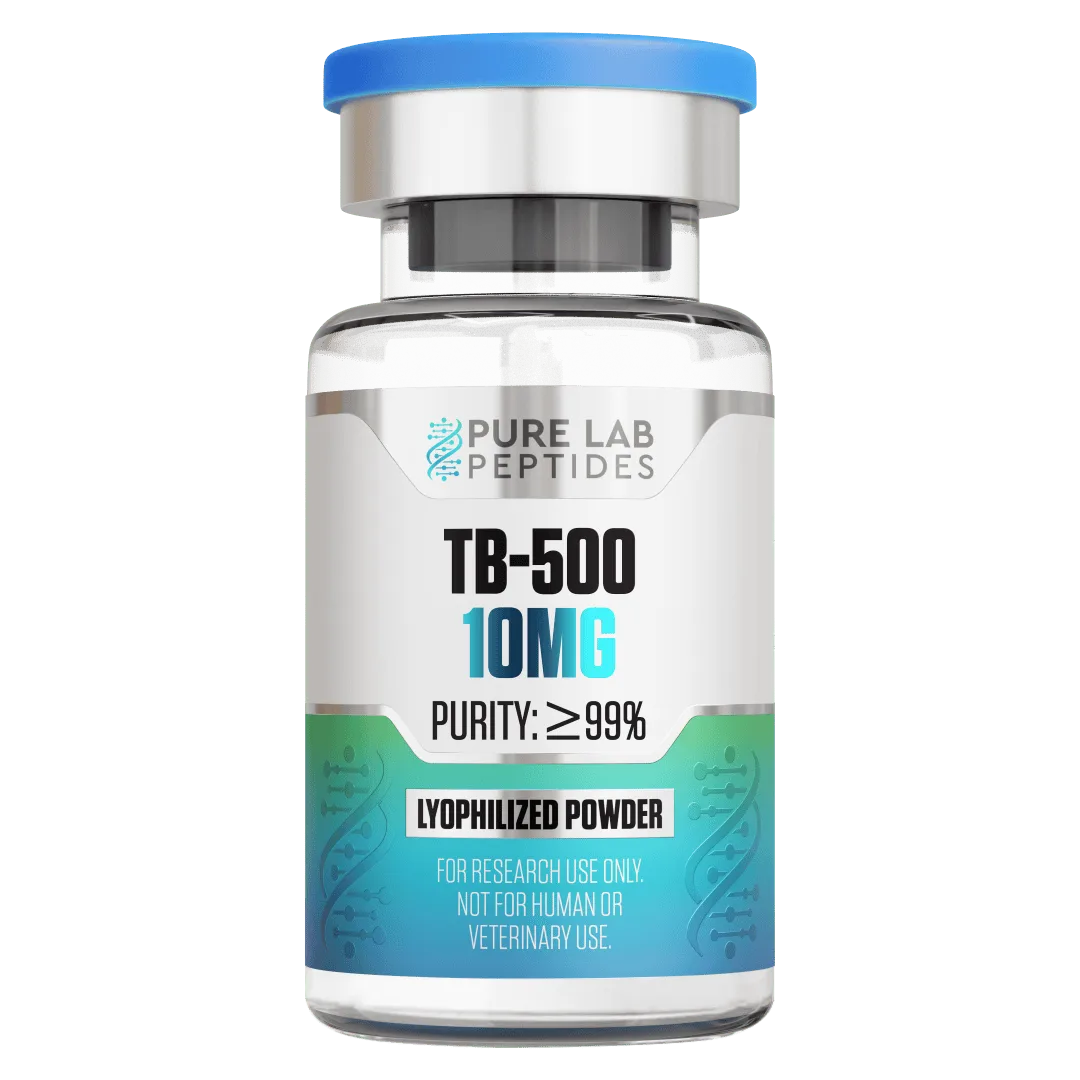
TB‑500 is a synthetic peptide fragment corresponding to the active region of thymosin beta‑4 (Tβ4), a naturally occurring 43‑amino‑acid protein involved in tissue repair and regeneration[1][2]. This educational protocol presents a once‑daily subcutaneous approach using a practical dilution for accurate insulin‑syringe measurements in research settings.
Dosing & Reconstitution Guide
Educational guide for reconstitution and daily dosing
Standard / Gradual Approach (3 mL = ~3.33 mg/mL)
| Phase | Daily Dose (mcg) | Units (per injection) (mL) |
|---|---|---|
| Weeks 1–2 | 500 mcg | 15 units (0.15 mL) |
| Weeks 3–4 | 600 mcg | 18 units (0.18 mL) |
| Weeks 5–8 | 750 mcg | 23 units (0.23 mL) |
| Weeks 9–12 | 1000 mcg | 30 units (0.30 mL) |
Frequency: Inject once daily subcutaneously. This schedule uses the largest practical dilution (3.0 mL) to keep per‑injection units in a comfortable range for accurate measurement. Total weekly dose averages ~5 mg, consistent with research protocols[3][4].
Reconstitution Steps
Important: This guide is for educational purposes only and is not medical advice. TB‑500 is not FDA‑approved for human use and is for research purposes only.
Supplies Needed
Plan based on an 8–16 week daily protocol with gradual titration.
- 8 weeks ≈ 4 vials
- 12 weeks ≈ 7 vials
- 16 weeks ≈ 10 vials
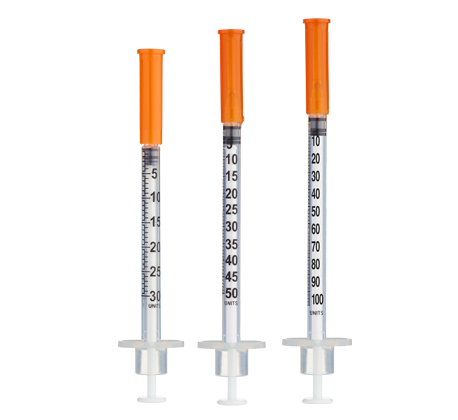
- Per week: 7 syringes (1/day)
- 8 weeks: 56 syringes
- 12 weeks: 84 syringes
- 16 weeks: 112 syringes
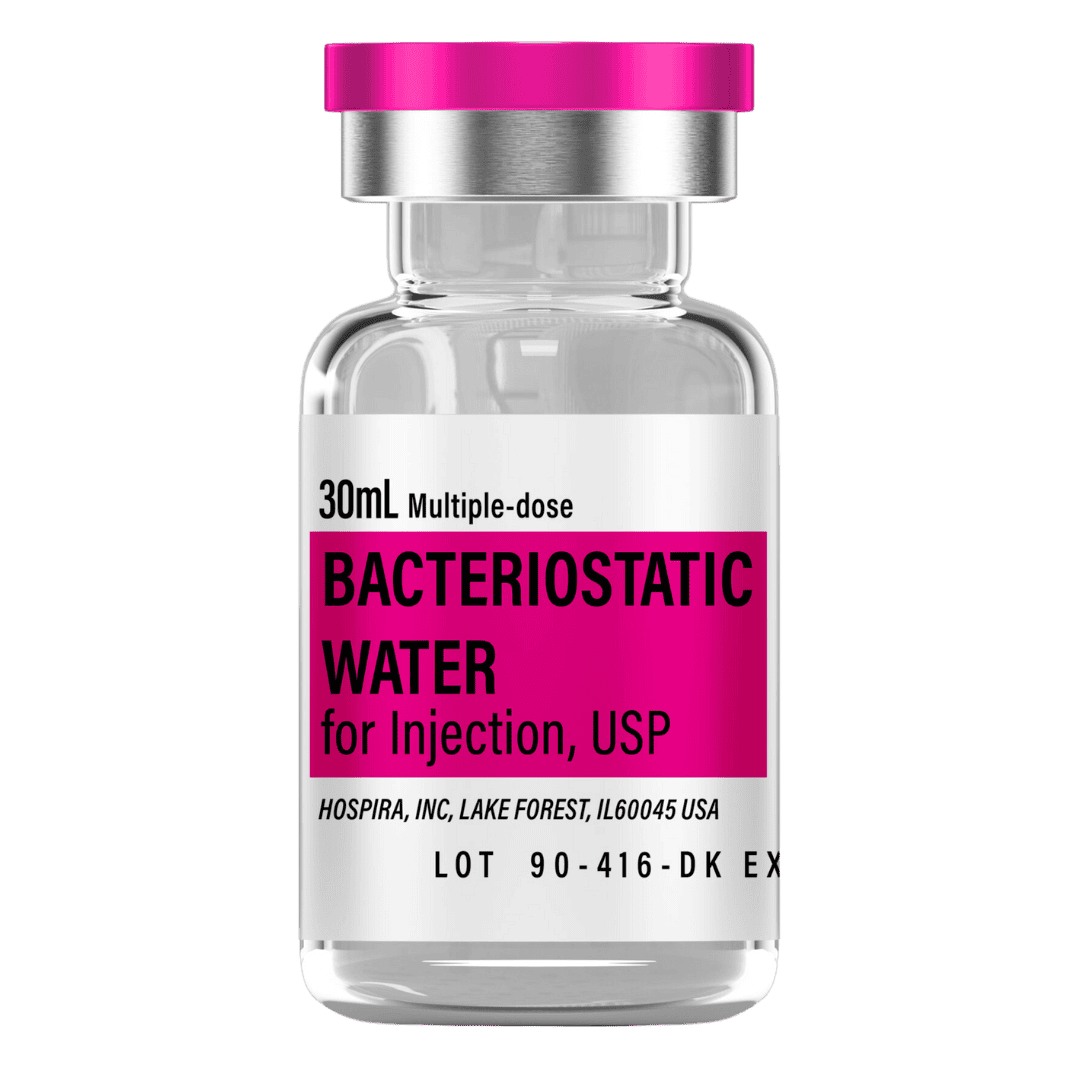
- 8 weeks (4 vials): 12 mL → 2 × 10 mL bottles
- 12 weeks (7 vials): 21 mL → 3 × 10 mL bottles
- 16 weeks (10 vials): 30 mL → 3 × 10 mL bottles
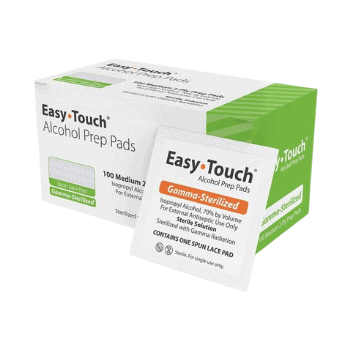
- Per week: 14 swabs (2/day)
- 8 weeks: 112 swabs → recommend 2 × 100‑count boxes
- 12 weeks: 168 swabs → recommend 2 × 100‑count boxes
- 16 weeks: 224 swabs → recommend 3 × 100‑count boxes
Protocol Overview
Concise summary of the once‑daily regimen.