
BPC-157 (10 mg Vial) Dosage Protocol
Quickstart Highlights
BPC-157 (Body Protection Compound-157) is a synthetic 15-amino-acid peptide derived from a gastric protein sequence studied for tissue-healing and cytoprotective properties[1][2]. Preclinical models demonstrate accelerated wound repair and anti-inflammatory activity[3], though human clinical data remain limited to early-phase safety trials and small case reports[4][5]. This educational protocol presents a once-daily subcutaneous approach using a practical dilution for clear insulin-syringe measurements.
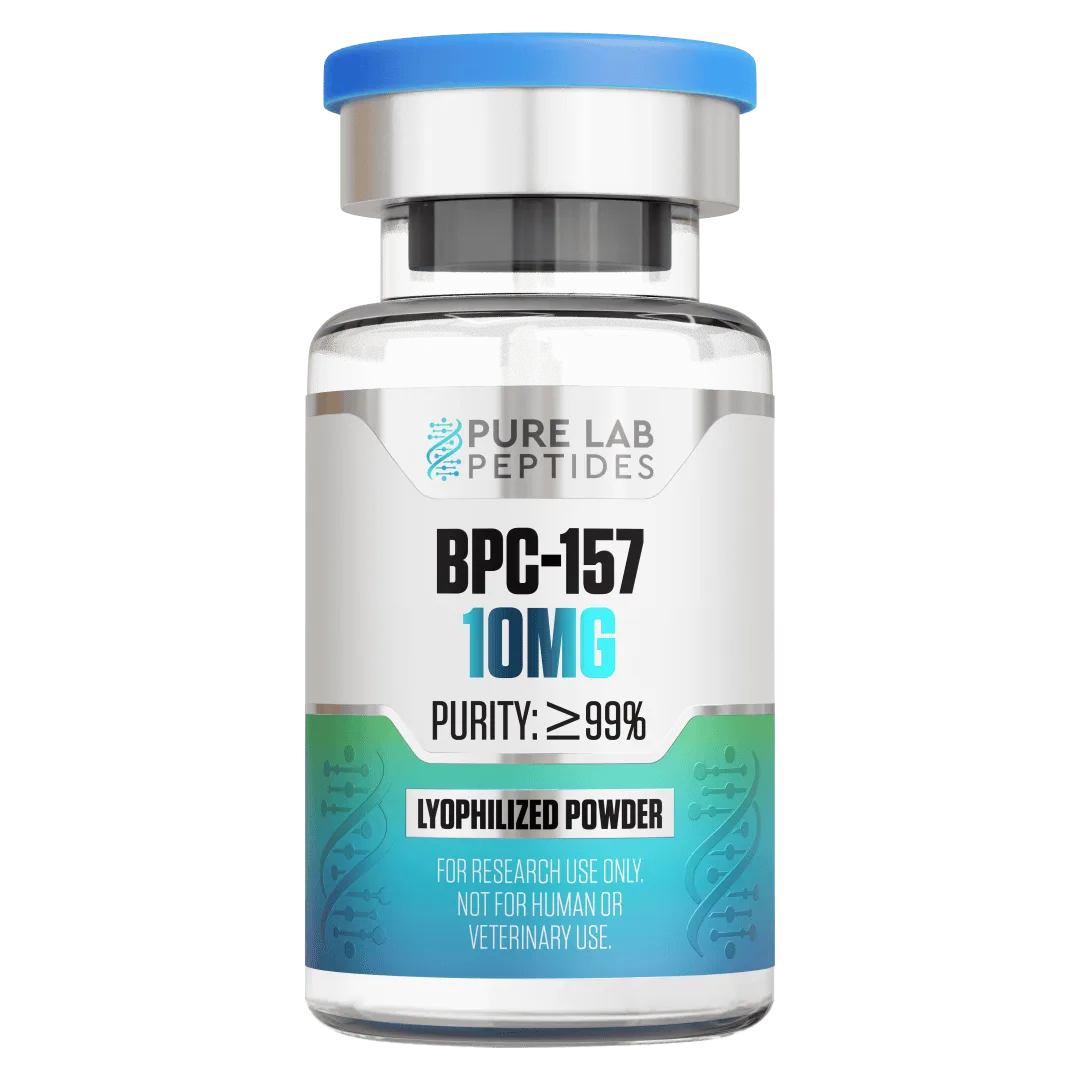
Dosing & Reconstitution Guide
Educational guide for reconstitution and daily dosing
Standard / Gradual Approach (3 mL = ~3.33 mg/mL)
| Week | Daily Dose (mcg) | Units (per injection) (mL) |
|---|---|---|
| Weeks 1–2 | 200 mcg (0.2 mg) | 6 units (0.06 mL) |
| Weeks 3–4 | 400 mcg (0.4 mg) | 12 units (0.12 mL) |
| Weeks 5–8+ | 600 mcg (0.6 mg) | 18 units (0.18 mL) |
Frequency: Inject once daily subcutaneously. This schedule uses the largest practical dilution (3.0 mL) to keep per-injection units well above 5 for better accuracy. Dosing is extrapolated from preclinical models[1][6]; human clinical validation remains limited.
Reconstitution Steps
Important: This guide is for educational purposes only and is not medical advice. For research use only. Not for human consumption.
Supplies Needed
Plan based on an 8–16 week daily protocol with gradual titration.
- 8 weeks ≈ 3 vials (25.2 mg used)
- 12 weeks ≈ 5 vials (42 mg used)
- 16 weeks ≈ 6 vials (58.8 mg used)
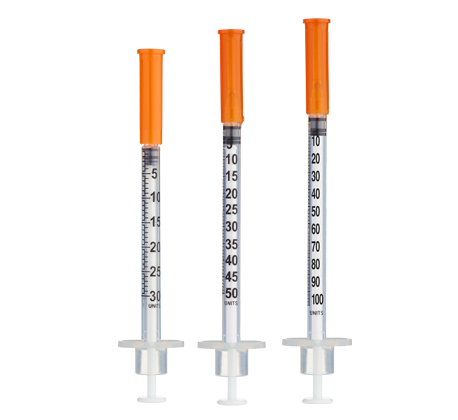
- Per week: 7 syringes (1/day)
- 8 weeks: 56 syringes
- 12 weeks: 84 syringes
- 16 weeks: 112 syringes
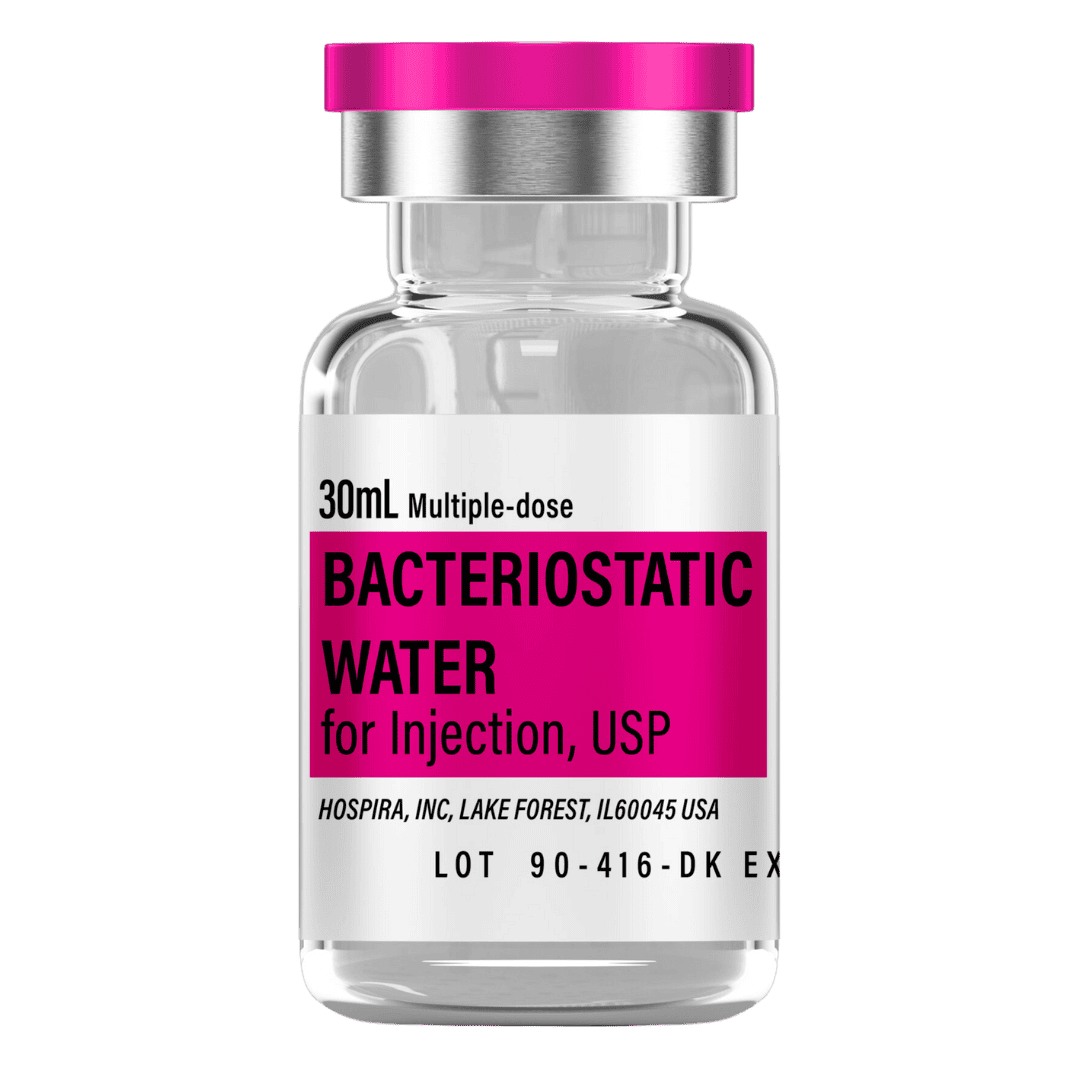
- 8 weeks (3 vials): 9 mL → 1 × 10 mL bottle
- 12 weeks (5 vials): 15 mL → 2 × 10 mL bottles
- 16 weeks (6 vials): 18 mL → 2 × 10 mL bottles
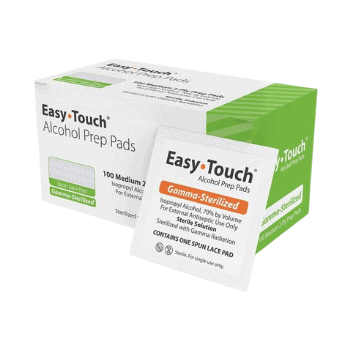
- Per week: 14 swabs (2/day)
- 8 weeks: 112 swabs → recommend 2 × 100-count boxes
- 12 weeks: 168 swabs → recommend 2 × 100-count boxes
- 16 weeks: 224 swabs → recommend 3 × 100-count boxes
Protocol Overview
Concise summary of the once-daily regimen.