
Cagrilintide (10 mg Vial) Dosage Protocol
Quickstart Highlights
Cagrilintide is a long‑acting acylated analogue of the pancreatic hormone amylin, designed for once‑weekly subcutaneous administration[1]. It activates central amylin receptors to promote satiety, slow gastric emptying, and reduce food intake[2][3]. In phase 2 and phase 3 trials, cagrilintide produced dose‑dependent weight loss with a predominantly gastrointestinal side‑effect profile[4][5].

Dosing & Reconstitution Guide
Educational guide for reconstitution and weekly dosing
Standard / Gradual Approach (3 mL = ~3.33 mg/mL)
Route: Subcutaneous injection. Frequency: Once weekly on a consistent day.
| Week/Phase | Weekly Dose (mg) | Units (per injection) | Volume (mL) |
|---|---|---|---|
| Weeks 1–2 | 0.6 mg | 18 units | 0.18 mL |
| Weeks 3–4 | 1.2 mg | 36 units | 0.36 mL |
| Weeks 5–6 | 2.4 mg | 72 units | 0.72 mL |
| Weeks 7–16 (Maintenance) | 4.5 mg | 135 units | 1.35 mL |
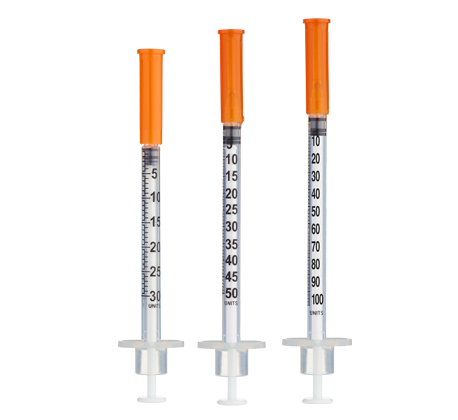
Note: The maintenance dose of 4.5 mg requires 135 units (1.35 mL), which exceeds a standard U‑100 insulin syringe capacity. Use a 3 mL syringe with an appropriate subcutaneous needle (e.g., 25–27G, ½–⅝ inch) for doses above 1.0 mL. For titration doses (≤72 units), a U‑100 insulin syringe provides excellent accuracy.
Reconstitution Steps
Important: This content is intended for therapeutic educational purposes only and does not constitute medical advice, diagnosis, or treatment.
Supplies Needed
Plan based on an 8–16 week weekly protocol with gradual titration.
- 8 weeks ≈ 2 vials (17.4 mg total needed)
- 12 weeks ≈ 4 vials (35.4 mg total needed)
- 16 weeks ≈ 6 vials (53.4 mg total needed)
- Weeks 1–6 (doses ≤72 units): U‑100 insulin syringes work well
- Weeks 7+ (doses >100 units): 3 mL syringes with 25–27G subcutaneous needles
- Per week: 1 syringe
- 8 weeks: 8 syringes
- 12 weeks: 12 syringes
- 16 weeks: 16 syringes
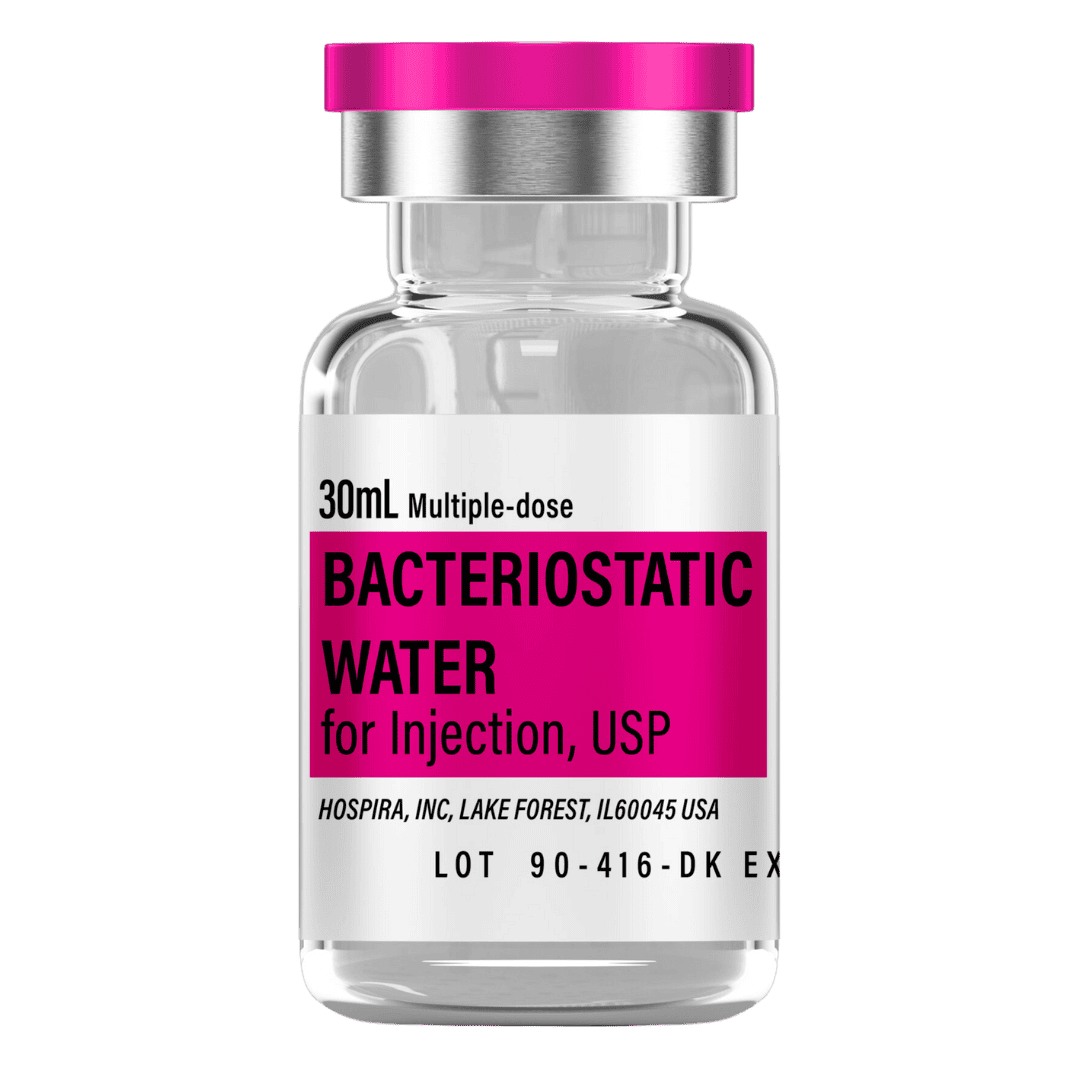
- 8 weeks (2 vials): 6 mL → 1 × 10 mL bottle
- 12 weeks (4 vials): 12 mL → 2 × 10 mL bottles
- 16 weeks (6 vials): 18 mL → 2 × 10 mL bottles
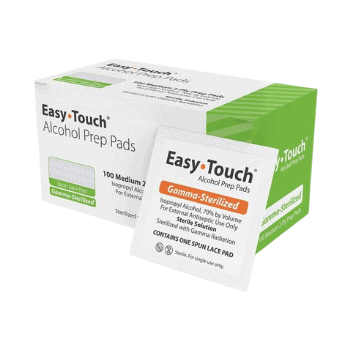
- Per week: 2 swabs
- 8 weeks: 16 swabs
- 12 weeks: 24 swabs
- 16 weeks: 32 swabs → recommend 1 × 100‑count box
Protocol Overview
Concise summary of the once‑weekly regimen.