IGF-1 LR3 (1mg Vial) Dosage Protocol

IGF-1 LR3 (1 mg Vial) Dosage Protocol

Quickstart Highlights

IGF-1 LR3 (Long R3 Insulin-like Growth Factor-1) is a modified analog of human IGF-1 with significantly extended half-life, studied for its anabolic and metabolic effects[1]. This synthetic variant exhibits reduced binding to IGF binding proteins, allowing enhanced bioavailability and systemic activity[2]. This educational protocol presents a once-daily subcutaneous approach with conservative titration for research applications.

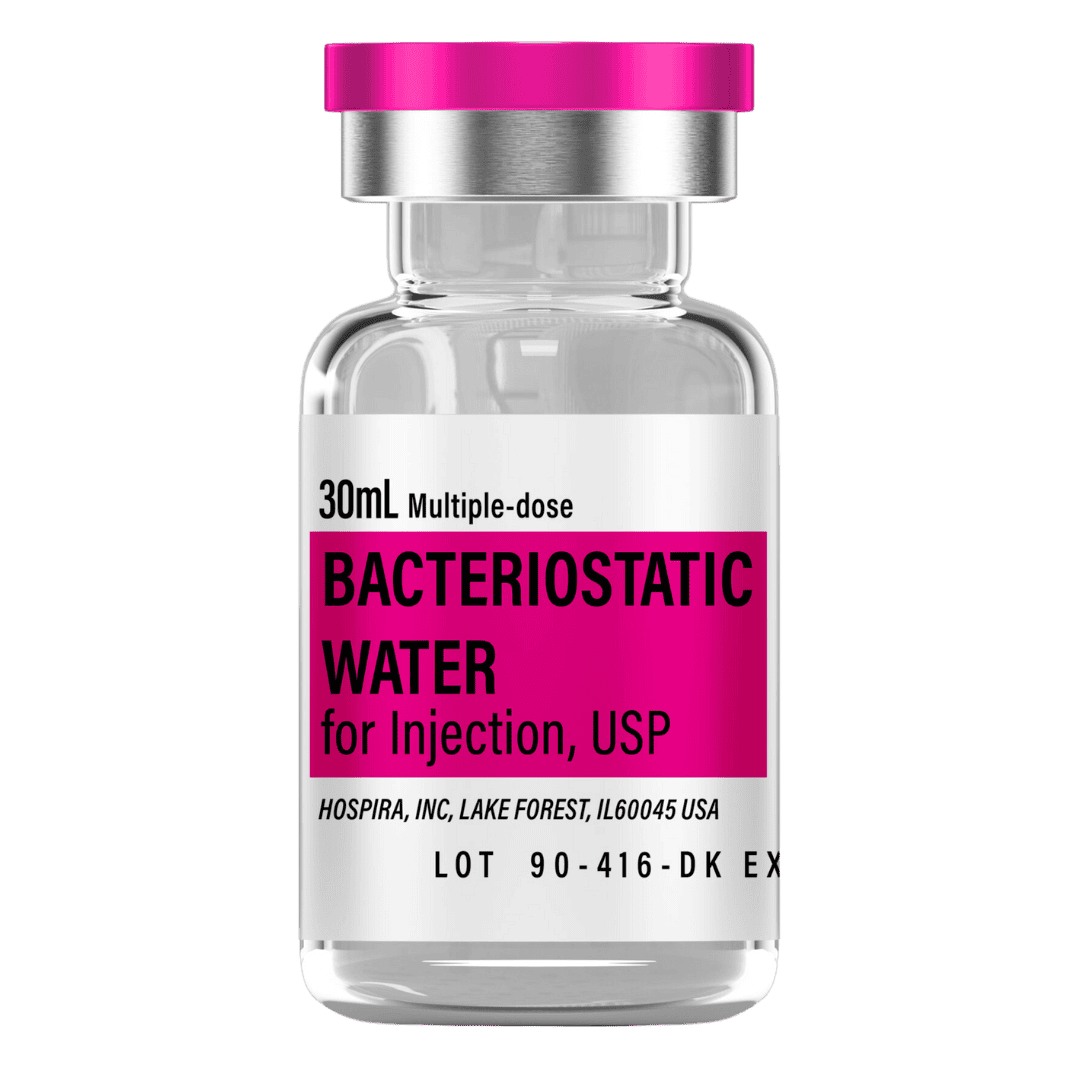
  • Reconstitute: Add 3.0 mL bacteriostatic water → ~0.333 mg/mL concentration (333 mcg/mL).
  • Typical daily range: 20–50 mcg once daily subcutaneously (gradual titration recommended).
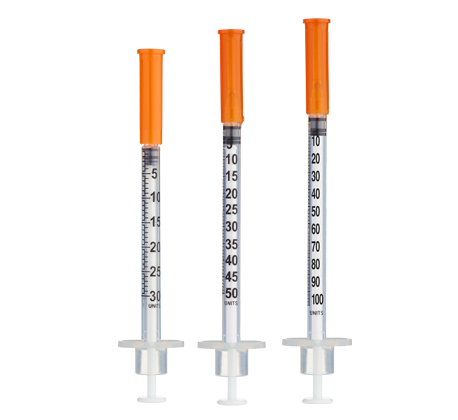
  • Easy measuring: At 0.333 mg/mL, 1 unit = 0.01 mL ≈ 3.33 mcg on a U-100 insulin syringe.
  • Storage: Lyophilized: freeze at −20 °C (−4 °F) for up to 12 months; after reconstitution, refrigerate at 2–8 °C (35.6–46.4 °F) and use within 30 days; avoid repeated freeze–thaw cycles.
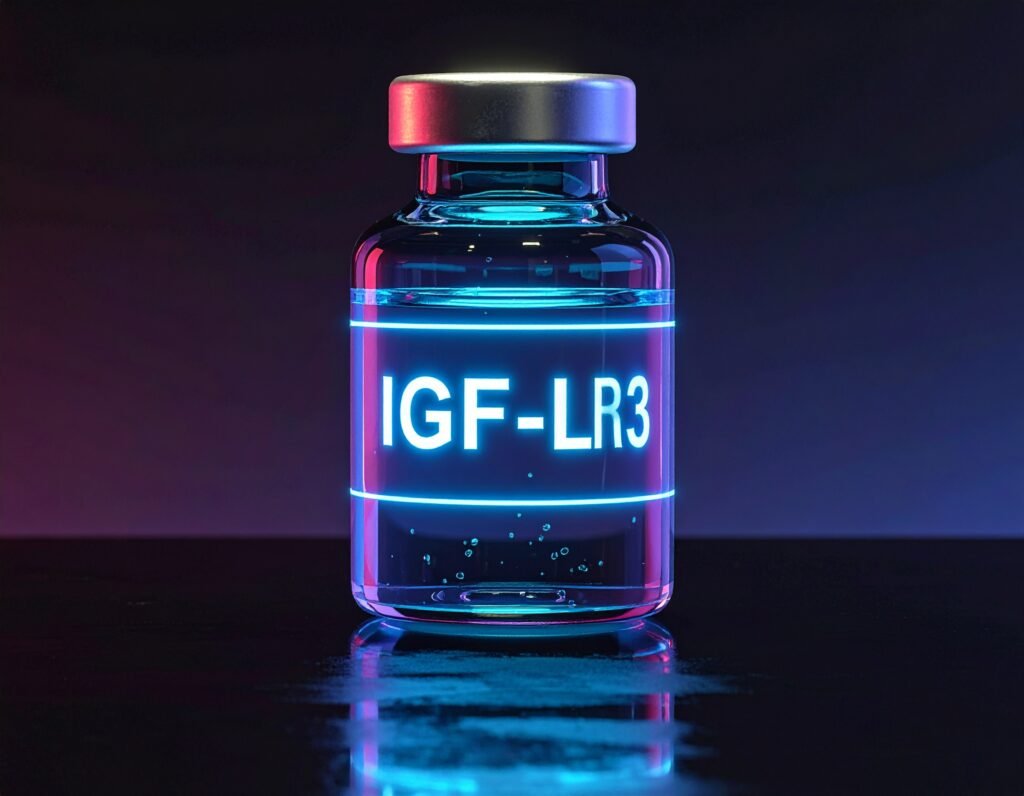
  • IGF-1 LR3 Vial

    Dosing & Reconstitution Guide

    Educational guide for reconstitution and daily dosing

    Standard / Gradual Approach (3 mL = ~0.333 mg/mL)

    Week Daily Dose (mcg) Units (per injection) (mL)
    Weeks 1–2 20 mcg (0.02 mg) 6 units (0.06 mL)
    Weeks 3–4 40 mcg (0.04 mg) 12 units (0.12 mL)
    Weeks 5–8 50 mcg (0.05 mg) 15 units (0.15 mL)

    Frequency: Inject once daily subcutaneously, typically in the morning or post-workout with food intake to mitigate insulin-like effects on blood glucose[3]. This schedule uses the maximum practical dilution (3.0 mL) for clear measurements. For ≤10-unit (≤0.10 mL) administrations, consider 30- or 50-unit insulin syringes for improved readability.

    Reconstitution Steps

  • Draw 3.0 mL bacteriostatic water with a sterile syringe.
  • Inject slowly down the vial wall to avoid foaming; do not shake.
  • Gently swirl or roll until the lyophilized powder dissolves completely into a clear solution.
  • Label the vial with reconstitution date and refrigerate at 2–8 °C (35.6–46.4 °F), protected from light.
  • Use within 30 days of reconstitution; for longer storage, prepare aliquots and freeze at −20 °C (−4 °F) for up to 3–6 months[4].
  • Important: This guide is for educational purposes only and is not medical advice. For research use only. Not for human consumption.

    Supplies Needed

    Plan based on an 8–16 week daily protocol with gradual titration.

  • Peptide Vials (IGF-1 LR3, 1 mg each):

    • 8 weeks ≈ 3 vials (~2.24 mg total needed)
    • 12 weeks ≈ 4 vials (~3.64 mg total needed)
    • 16 weeks ≈ 6 vials (~5.04 mg total needed)
  • Insulin Syringes (U-100, 0.5 mL or 1 mL):

    • Per week: 7 syringes (1/day)
    • 8 weeks: 56 syringes
    • 12 weeks: 84 syringes
    • 16 weeks: 112 syringes
  • Bacteriostatic Water (10 mL bottles): Use 3.0 mL per vial for reconstitution.

    • 8 weeks (3 vials): 9 mL1 × 10 mL bottle
    • 12 weeks (4 vials): 12 mL2 × 10 mL bottles
    • 16 weeks (6 vials): 18 mL2 × 10 mL bottles
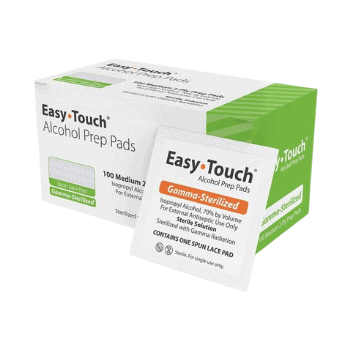
  • Alcohol Swabs: One for the vial stopper + one for the injection site each day.

    • Per week: 14 swabs (2/day)
    • 8 weeks: 112 swabs → recommend 2 × 100-count boxes
    • 12 weeks: 168 swabs → recommend 2 × 100-count boxes
    • 16 weeks: 224 swabs → recommend 3 × 100-count boxes
  • Sharps Container: For safe disposal of used needles and syringes[5].
  • Fast-acting carbohydrate source: Glucose tablets or juice on hand during cycle to address potential hypoglycemia symptoms, especially during dose titration[6].
  • IGF-1 LR3 Vial

    View Supplier

    Insulin Syringes

    View Supplier

    Bacteriostatic Water

    View Supplier

    Alcohol Pads

    View Supplier

    Protocol Overview

    Concise summary of the once-daily subcutaneous regimen.

  • Goal: Support anabolic processes and metabolic function through enhanced IGF-1 activity with extended bioavailability[1].
  • Schedule: Daily subcutaneous injections for 8 weeks (standard cycle); may extend to 12 weeks with appropriate off-periods.
  • Dose Range: 20–50 mcg daily with gradual titration; conservative protocols remain at ≤50 mcg/day.
  • Reconstitution: 3.0 mL per 1 mg vial (~0.333 mg/mL or 333 mcg/mL) for precise unit measurements.
  • Storage: Lyophilized powder frozen at −20 °C (−4 °F); reconstituted solution refrigerated at 2–8 °C (35.6–46.4 °F); avoid repeated freeze–thaw cycles.
  • Cycling: Common approach is 8 weeks on, 4–8 weeks off to prevent receptor desensitization[7].