
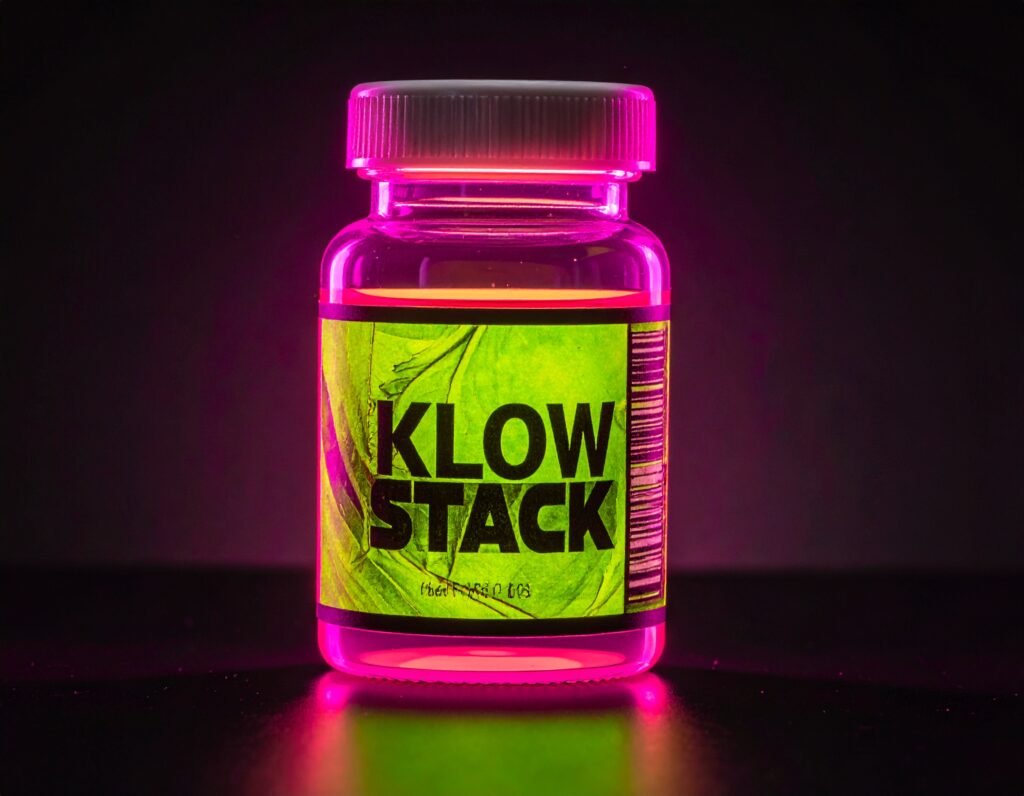
KLOW (80 mg Vial) Dosage Protocol
Quickstart Highlights
KLOW is a multi-peptide blend combining TB-500 (10 mg), BPC-157 (10 mg), KPV (10 mg), and GHK-Cu (50 mg) for a total of 80 mg per vial. TB-500 (synthetic thymosin beta-4) promotes wound healing, angiogenesis, and tissue repair[1][2]. BPC-157 exhibits regenerative properties with preclinical evidence supporting tendon, ligament, and muscle healing[3][4]. KPV is an anti-inflammatory tripeptide that modulates NF-κB signaling[5][6]. GHK-Cu supports collagen synthesis, wound healing, and tissue regeneration[7][8]. This educational protocol presents a once-daily subcutaneous approach using a practical dilution for clear insulin-syringe measurements.

Dosing & Reconstitution Guide
Educational guide for reconstitution and daily dosing
Standard / Gradual Approach (3 mL = ~26.7 mg/mL Total)
This multi-peptide blend provides synergistic regenerative, anti-inflammatory, and tissue-repair support. The following titration schedule allows gradual introduction of each component.
| Week | Daily Dose (per component) | Units (per injection) (mL) |
|---|---|---|
| Weeks 1–2 | TB-500: 250 mcg | BPC-157: 250 mcg | KPV: 250 mcg | GHK-Cu: 1.25 mg | 7.5 units (0.075 mL) |
| Weeks 3–4 | TB-500: 500 mcg | BPC-157: 500 mcg | KPV: 500 mcg | GHK-Cu: 2.5 mg | 15 units (0.15 mL) |
| Weeks 5–8 | TB-500: 750 mcg | BPC-157: 750 mcg | KPV: 750 mcg | GHK-Cu: 3.75 mg | 22.5 units (0.225 mL) |
| Weeks 9–12 (Maintenance) | TB-500: 500 mcg | BPC-157: 500 mcg | KPV: 500 mcg | GHK-Cu: 2.5 mg | 15 units (0.15 mL) |
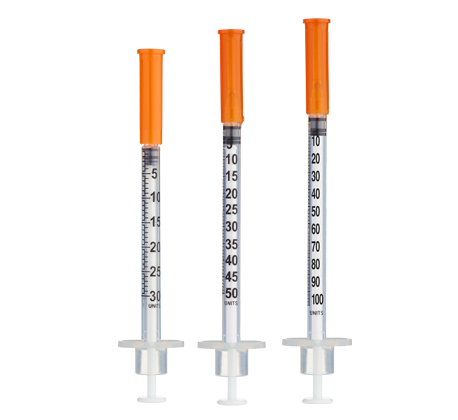
Frequency: Inject once daily subcutaneously. This schedule uses a 3.0 mL dilution to maintain measurable volumes. For ≤10-unit (≤0.10 mL) administrations during initial weeks, consider 30- or 50-unit insulin syringes for improved readability.
Reconstitution Steps
Syringe Math Reference
With 3.0 mL reconstitution volume and 80 mg total peptide:
Important: This guide is for educational purposes only and is not medical advice. For research use only. Not for human consumption.
Supplies Needed
Plan based on an 8–16 week daily protocol with gradual titration.
- 8 weeks ≈ 3 vials
- 12 weeks ≈ 4 vials
- 16 weeks ≈ 5 vials
- Per week: 7 syringes (1/day)
- 8 weeks: 56 syringes
- 12 weeks: 84 syringes
- 16 weeks: 112 syringes
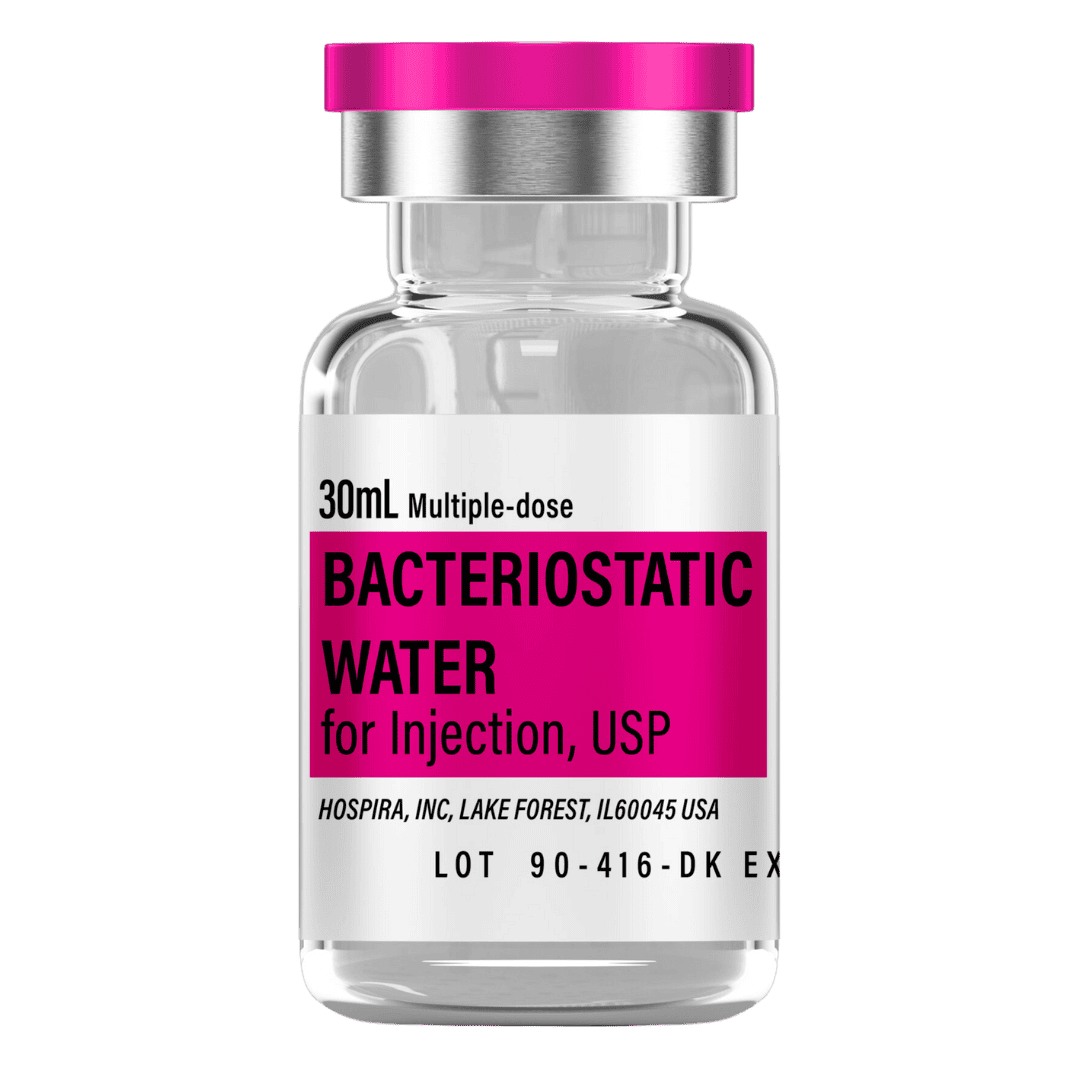
- 8 weeks (3 vials): 9 mL → 1 × 10 mL bottle
- 12 weeks (4 vials): 12 mL → 2 × 10 mL bottles
- 16 weeks (5 vials): 15 mL → 2 × 10 mL bottles
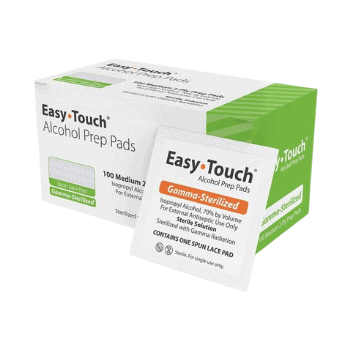
- Per week: 14 swabs (2/day)
- 8 weeks: 112 swabs → recommend 2 × 100-count boxes
- 12 weeks: 168 swabs → recommend 2 × 100-count boxes
- 16 weeks: 224 swabs → recommend 3 × 100-count boxes
Protocol Overview
Concise summary of the once-daily regimen.