
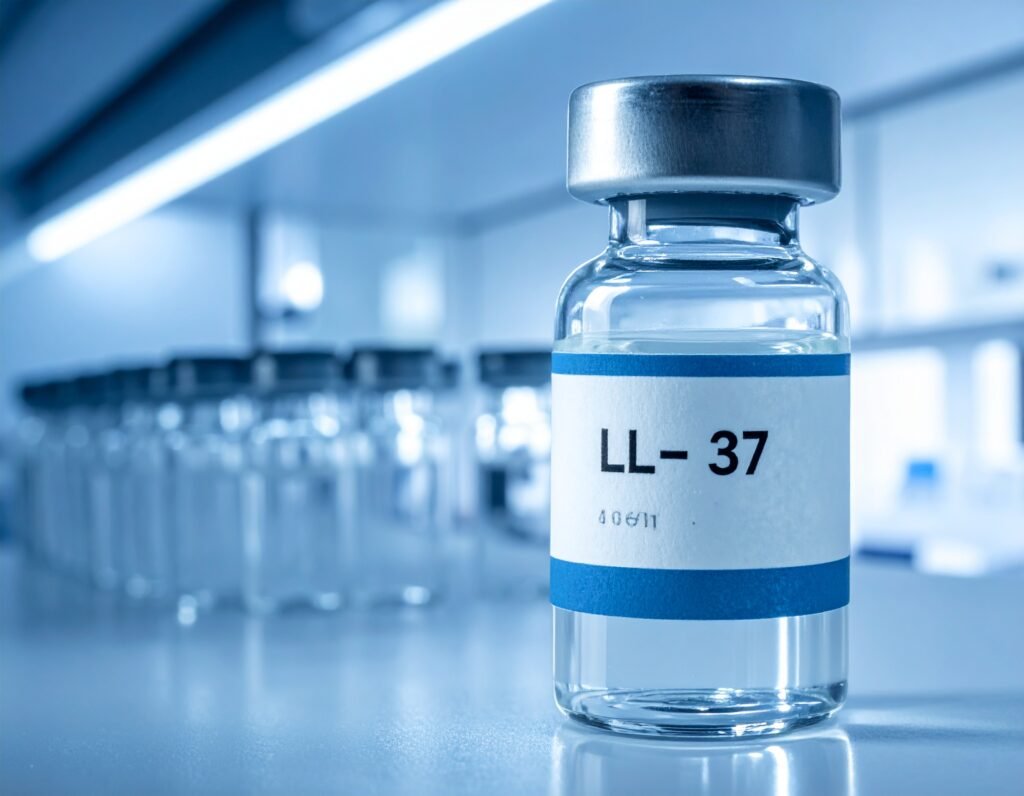
LL-37 (5 mg Vial) Dosage Protocol
Quickstart Highlights
LL-37 (also known as CAP-18) is a 37-amino-acid cationic antimicrobial peptide derived from the C-terminal of human cathelicidin (hCAP18)[1]. It is the only known human cathelicidin, exhibiting broad-spectrum antibacterial activity and immune-modulating properties[2][3]. This educational protocol presents a once-daily subcutaneous approach using a practical dilution for clear insulin-syringe measurements.

Dosing & Reconstitution Guide
Educational guide for reconstitution and daily dosing
Standard / Gradual Approach (3 mL = ~1.67 mg/mL)
| Week | Daily Dose (µg) | Units (per injection) (mL) |
|---|---|---|
| Week 1 | 50 µg | 3 units (0.03 mL) |
| Week 2 | 100 µg | 6 units (0.06 mL) |
| Week 3 | 150 µg | 9 units (0.09 mL) |
| Week 4 | 200 µg | 12 units (0.12 mL) |
| Week 5 | 250 µg | 15 units (0.15 mL) |
| Week 6 | 300 µg | 18 units (0.18 mL) |
| Week 7 | 350 µg | 21 units (0.21 mL) |
| Week 8 | 400 µg | 24 units (0.24 mL) |
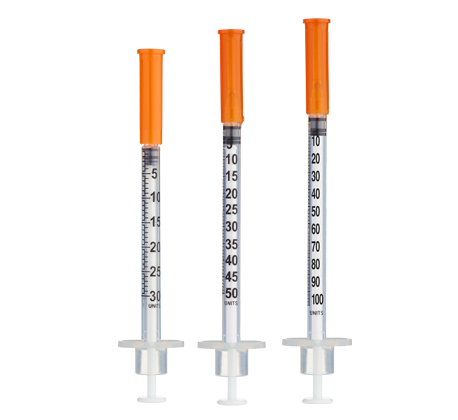
Frequency: Inject once daily subcutaneously. Some protocols use a 5-days-on, 2-days-off schedule. For ≤10-unit (≤0.10 mL) administrations during early titration, consider 30- or 50-unit insulin syringes for improved readability.
Reconstitution Steps
Important: This guide is for educational purposes only and is not medical advice. For research use only. Not for human consumption.
Supplies Needed
Plan based on an 8–16 week daily protocol with gradual titration.
- 8 weeks ≈ 3 vials
- 12 weeks ≈ 5 vials
- 16 weeks ≈ 7 vials
- Per week: 7 syringes (1/day)
- 8 weeks: 56 syringes
- 12 weeks: 84 syringes
- 16 weeks: 112 syringes
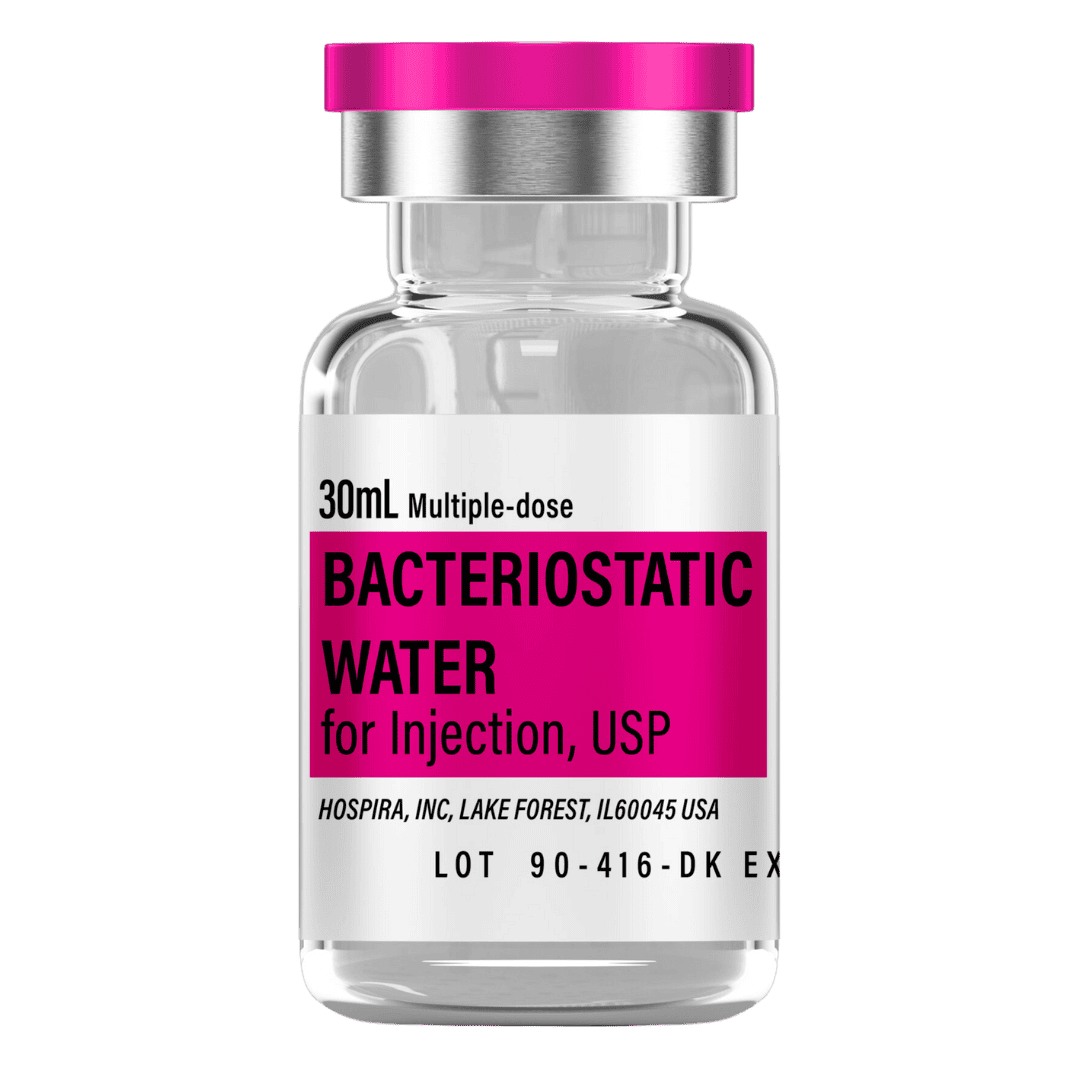
- 8 weeks (3 vials): 9 mL → 1 × 10 mL bottle
- 12 weeks (5 vials): 15 mL → 2 × 10 mL bottles
- 16 weeks (7 vials): 21 mL → 3 × 10 mL bottles
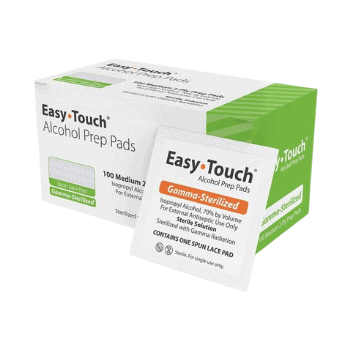
- Per week: 14 swabs (2/day)
- 8 weeks: 112 swabs → recommend 2 × 100-count boxes
- 12 weeks: 168 swabs → recommend 2 × 100-count boxes
- 16 weeks: 224 swabs → recommend 3 × 100-count boxes
Protocol Overview
Concise summary of the once-daily regimen.