
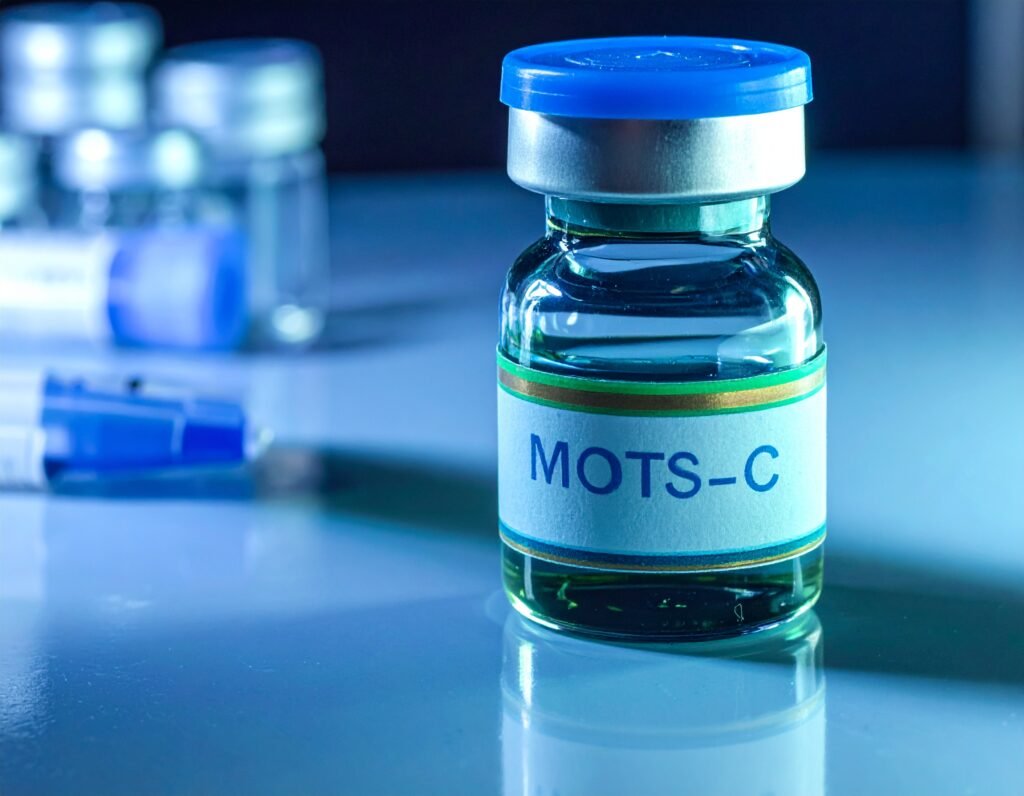
MOTS-C (20 mg Vial) Dosage Protocol
Quickstart Highlights
MOTS-c is a 16–amino-acid mitochondrial-derived peptide (MDP) that acts as a metabolic regulator, primarily through AMPK activation[1][2]. Preclinical studies show it enhances insulin sensitivity, promotes fat oxidation, improves exercise capacity, and counters age-related metabolic decline[1][4]. No clinical trials have been completed in humans to date[8]. This educational protocol presents a once-daily subcutaneous approach with gradual titration.

Dosing & Reconstitution Guide
Educational guide for reconstitution and daily dosing
Standard / Gradual Approach (3 mL = ~6.67 mg/mL)
| Week | Daily Dose (mcg) | Units (per injection) (mL) |
|---|---|---|
| Weeks 1–2 | 200 mcg (0.2 mg) | 3 units (0.03 mL) |
| Weeks 3–4 | 400 mcg (0.4 mg) | 6 units (0.06 mL) |
| Weeks 5–6 | 600 mcg (0.6 mg) | 9 units (0.09 mL) |
| Weeks 7–8 | 800 mcg (0.8 mg) | 12 units (0.12 mL) |
| Weeks 9–10+ | 1,000 mcg (1.0 mg) | 15 units (0.15 mL) |
Frequency: Inject once daily subcutaneously[7]. Stay at each dose level for approximately 2 weeks before increasing, and monitor for any adverse reactions[7].
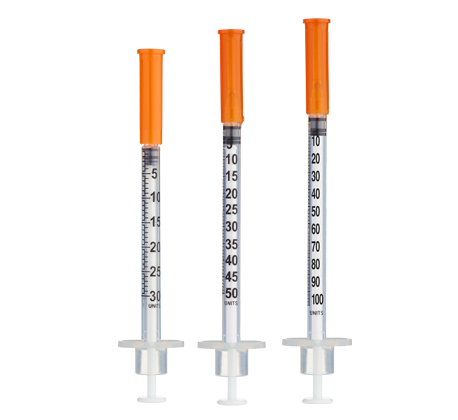
For ≤10‑unit (≤0.10 mL) administrations, consider 30‑ or 50‑unit insulin syringes for improved readability.
Reconstitution Steps
Important: This guide is for educational purposes only and is not medical advice.
Supplies Needed
Plan based on an 8–16 week daily protocol with gradual titration.
- 8 weeks ≈ 2 vials
- 12 weeks ≈ 3 vials
- 16 weeks ≈ 5 vials
- Per week: 7 syringes (1/day)
- 8 weeks: 56 syringes
- 12 weeks: 84 syringes
- 16 weeks: 112 syringes
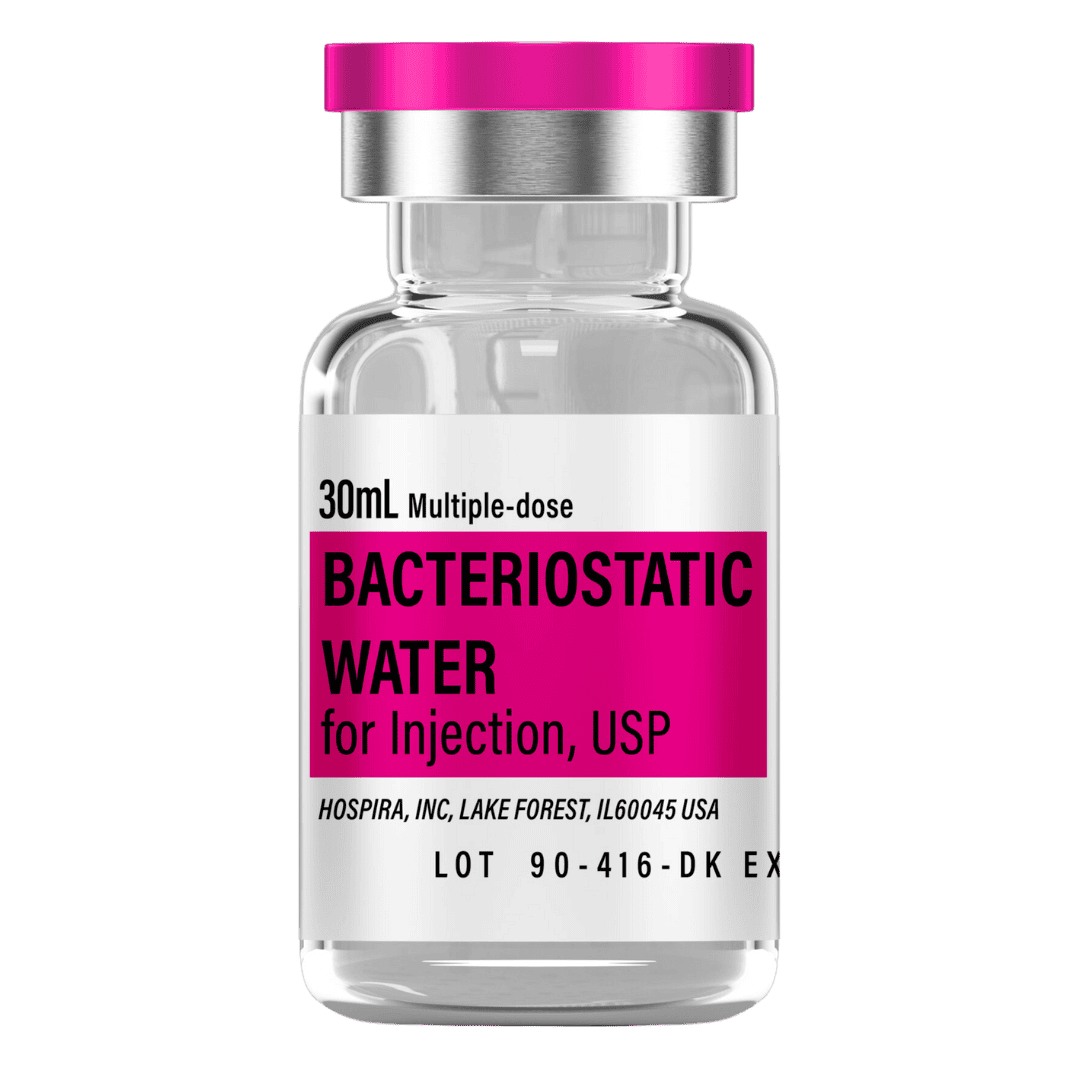
- 8 weeks (2 vials): 6 mL → 1 × 10 mL bottle
- 12 weeks (3 vials): 9 mL → 1 × 10 mL bottle
- 16 weeks (5 vials): 15 mL → 2 × 10 mL bottles
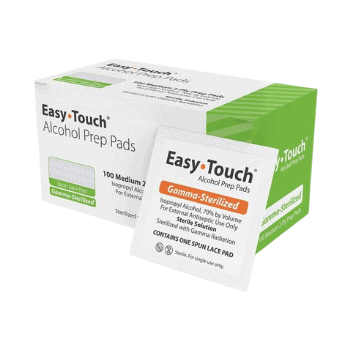
- Per week: 14 swabs (2/day)
- 8 weeks: 112 swabs → recommend 2 × 100‑count boxes
- 12 weeks: 168 swabs → recommend 2 × 100‑count boxes
- 16 weeks: 224 swabs → recommend 3 × 100‑count boxes
Protocol Overview
Concise summary of the once‑daily regimen.