Uncategorized

October 12, 2025

What Is Vesugen? The Vascular Bioregulator Peptide Explained

Vesugen—also written Vezugen and standardized here as KED for its sequence Lys–Glu–Asp—is a synthetic tripeptide “bioregulator” studied for vascular endothelium and neuroplasticity outcomes in preclinical models. It appears to act via epigenetic regulation of gene expression (DNA/histone interactions) with downstream effects reported for endothelin‑1 (EDN1), connexins (e.g., GJA1/Cx43), and SIRT1 in vascular cells, and markers […]

Read More
October 12, 2025

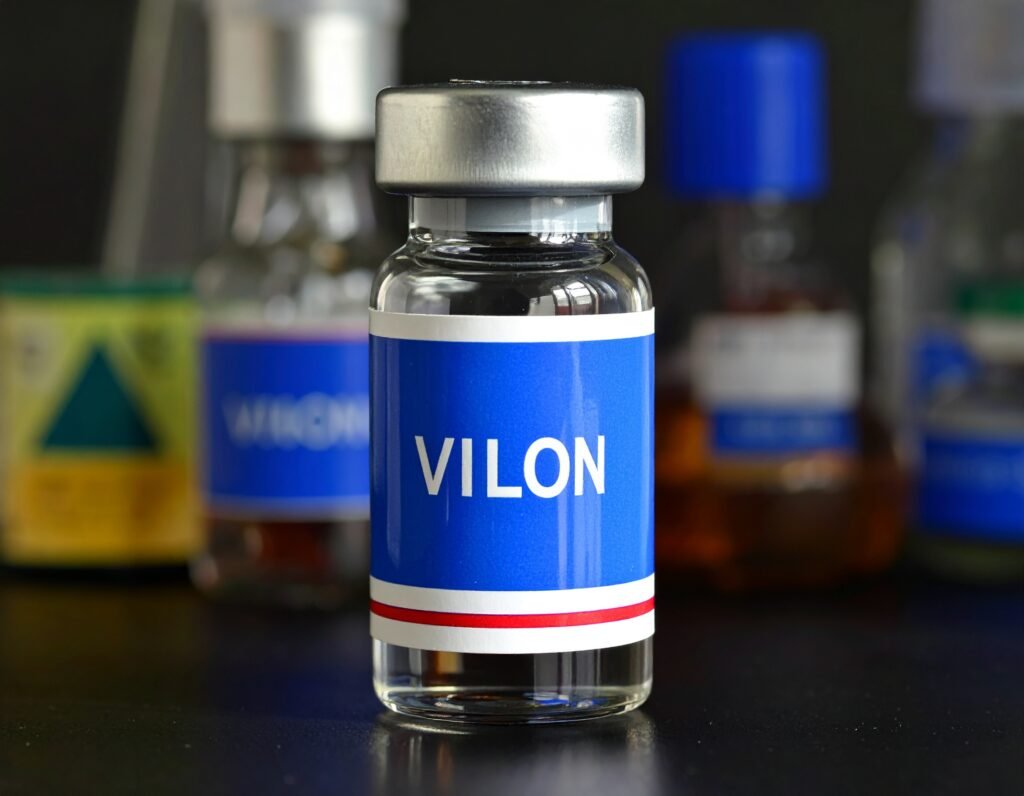
What Is Vilon? A Guide to the Lysylglutamic Acid Peptide

Vilon (also seen as “KE,” Lys‑Glu, or lysyl‑glutamic acid) is a two–amino‑acid peptide studied as a thymic bioregulator that modulates immune signaling and age‑related gene expression. Peer‑reviewed work shows Vilon (L‑Lys‑L‑Glu) can increase interleukin‑2 (IL‑2) gene expression in lymphocytes, remodel chromatin in aged cells, and extend lifespan in mice, with favorable safety in preclinical models. […]

Read More

October 12, 2025

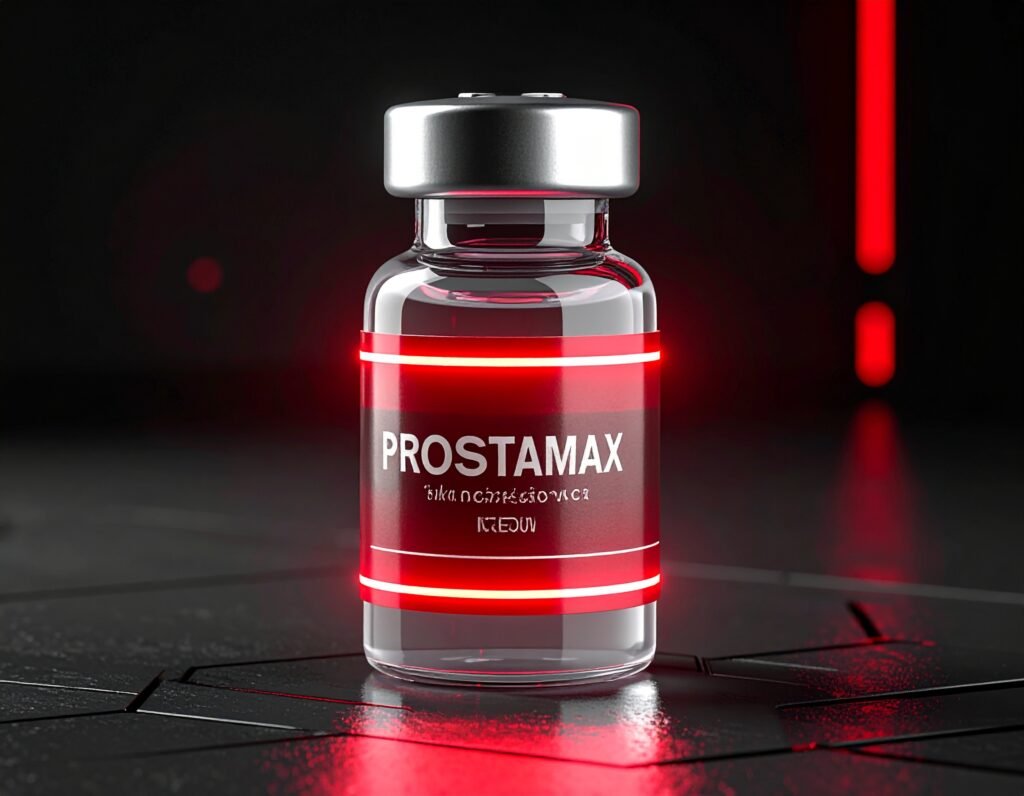
What is Prostamax? A Prostate Health Peptide Explained

Prostamax is a short synthetic tetrapeptide—Lys‑Glu‑Asp‑Pro (KEDP)—studied as a peptide bioregulator for its capacity to modulate chromatin structure and gene expression, particularly in immune cells and prostate-related models. It’s not an approved therapy; it is a research compound used under laboratory conditions only. (PubMed) Fast Answer / Executive Summary (40–60 words) Prostamax (KEDP) is a […]

Read More

October 12, 2025

What Is Ovagen? The Liver Bioregulator Peptide Explained

Ovagen refers to a synthetic ultra‑short peptide marketed in research circles as the tripeptide Glu‑Asp‑Leu (EDL)—a member of the “peptide bioregulator” family originally explored by Khavinson and colleagues. These peptides are studied for organ‑directed gene‑expression effects, with Ovagen positioned for liver and gastrointestinal (GI) research. Evidence for the EDL motif includes resolved enzyme‑binding structures (HIV‑1 […]

Read More

October 12, 2025

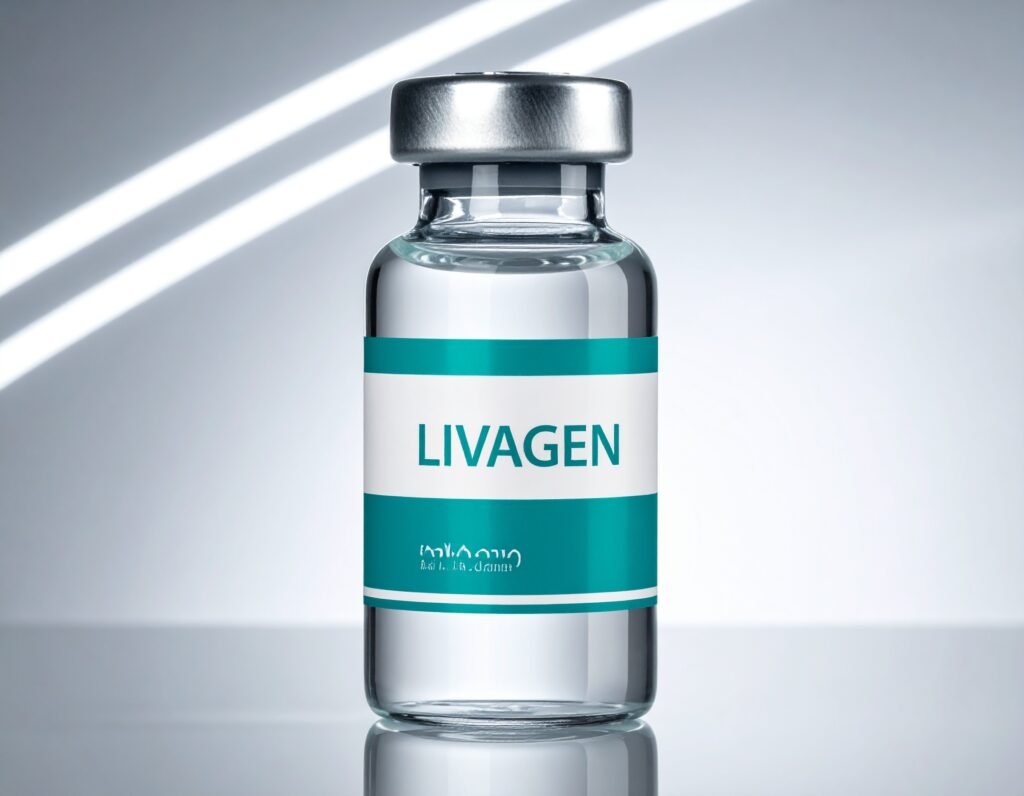
What is Livagen? Mechanism, Benefits, Dosage & More

Livagen is a short “bioregulatory” peptide (sequence: Lys–Glu–Asp–Ala; alias KEDA) studied for its ability to loosen age‑condensed chromatin and normalize gene activity in older cells. In human lymphocyte experiments, Livagen de‑heterochromatinized DNA and reactivated ribosomal genes; in other models it modulated digestive enzymes and protected endogenous enkephalins by inhibiting their breakdown—without binding opioid receptors. Livagen […]

Read More

October 10, 2025

What Is Selank? A Nootropic Peptide for Anxiety & Cognition

Peptide enthusiasts often ask “What is Selank and why do researchers use it for anxiety and cognition?” In short: Selank is a tuftsin‑derived heptapeptide explored for anxiolytic and nootropic effects without sedation. Below you’ll find an answer‑first overview of how it works, research-use handling, comparisons (Semax/benzodiazepines), and FAQs—written for education, not medical advice. Fast Answer […]

Read More

October 10, 2025

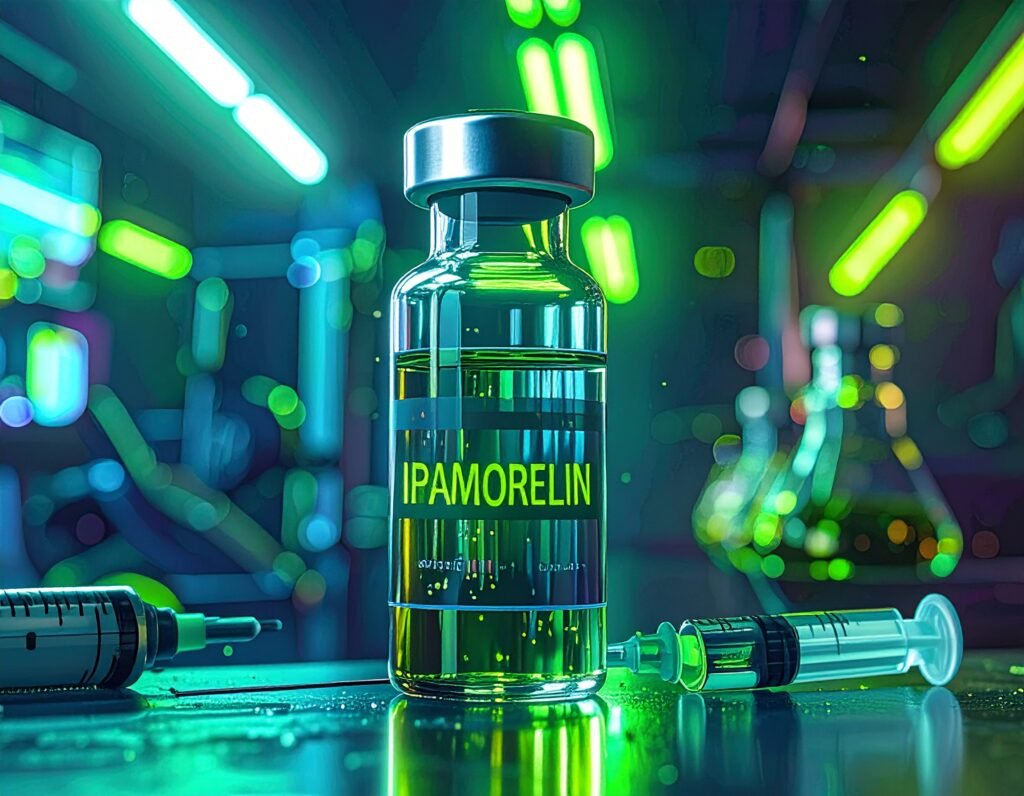
What Is Ipamorelin? Mechanism, Benefits & Dosage Guide

Ipamorelin (sometimes listed as NNC 26‑0161) is a selective growth hormone secretagogue (GHS) that binds the ghrelin receptor (GHSR‑1a) to trigger pulsatile GH release with minimal impact on ACTH or cortisol in preclinical models. Below you’ll find a concise answer, a properties table, outcomes‑focused mechanisms, step‑by‑step research‑handling guidance, comparisons vs. similar agents, a checklist, and […]

Read More